
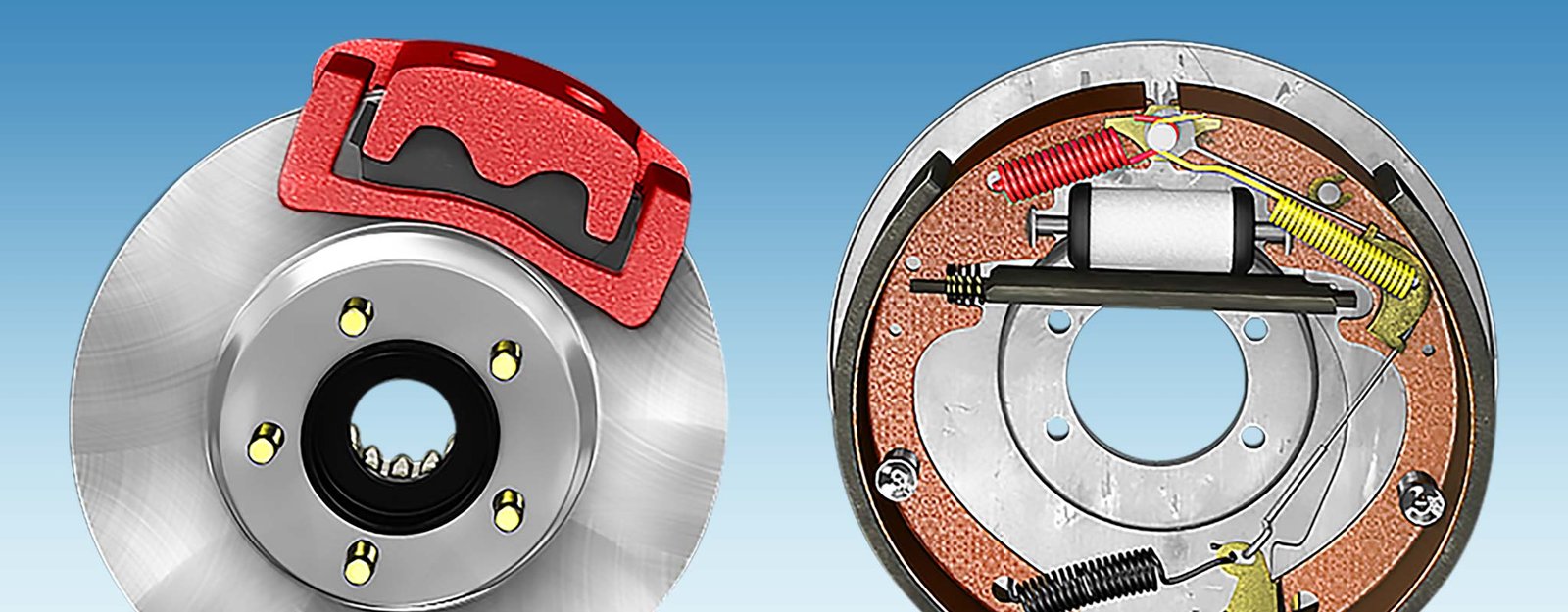
Name That Part: Brake Rotor, Caliper, Pad, Drum (Match Game)
Brakes are one of the most critical safety components of any vehicle. Yet, many drivers struggle to identify the individual parts that make a braking system function properly. Understanding how each part works not only improves safety but also helps you communicate effectively with mechanics and maintain your vehicle correctly.
To make learning fun, let’s turn this into a match game: brake rotor, caliper, pad, drum—can you match the description to the correct part? Along the way, we’ll explain what each part does, why it matters, and how proper maintenance, including professional Brake Repair, keeps your car safe on the road.
Part 1: Brake Rotor
Description:
This is the flat, circular metal disc that spins with your wheel. When you press the brake pedal, the brake pads clamp down on the rotor to create friction, slowing the car.
Why It’s Important:
Rotors are essential for stopping power. If they warp, become too thin, or develop grooves, braking efficiency drops significantly. Warped rotors can cause vibrations, uneven pad wear, and longer stopping distances.
Fun Fact:
High-performance or racing vehicles often have ventilated or slotted rotors to improve heat dissipation and prevent brake fade during extreme conditions.
Part 2: Brake Caliper
Description:
The brake caliper is the clamp-like device that houses the brake pads and pistons. It squeezes the pads against the rotor when you apply pressure to the brake pedal.
Why It’s Important:
Without properly functioning calipers, your brakes cannot generate enough friction to stop safely. Sticking or leaking calipers reduce braking power and can cause uneven pad wear.
Maintenance Tip:
Regular inspection and servicing of calipers prevents damage to other braking components. Professionals performing Brake Repair will check for leaks, seized pistons, and ensure proper alignment with the rotor.
Part 3: Brake Pads
Description:
Brake pads are the friction material that presses against the rotors. They are what actually slow your wheels down. Pads are usually made from composite materials that withstand high heat and stress.
Why It’s Important:
Worn pads reduce braking efficiency and can damage rotors if not replaced in time. Most pads have wear indicators that produce a squealing noise when it’s time for replacement.
DIY vs. Professional Tip:
While some drivers feel confident replacing pads themselves, professional Brake Repair ensures correct installation, proper torque, and optimal performance.
Part 4: Brake Drum
Description:
Found mostly on rear-wheel braking systems, brake drums are cylindrical components that work with brake shoes to slow the car. Instead of pressing outward like pads on a rotor, the brake shoes push against the drum’s inner surface.
Why It’s Important:
Drums provide reliable braking, especially in older or heavy vehicles. Over time, drums can develop grooves, become out of round, or lose thickness, which decreases braking efficiency. Regular inspections prevent these issues from becoming dangerous.
Fun Fact:
Many modern cars have drum brakes only on the rear wheels, using rotors and calipers for front-wheel braking for better performance in the match.
How to Play the Match Game?
Ready to test your knowledge? Match each description to the correct part:
- This part spins with the wheel and is clamped by pads. → Rotor
- This clamp-like device squeezes pads against the spinning part. → Caliper
- Friction material that actually stops the car. → Pad
- Cylindrical components pressed by shoes, mostly in older cars. → Drum
Did you get them all right in the match? Understanding these parts is the first step to being a confident car owner.
Why Professional Brake Maintenance Matters?
While knowing your brake components is important in a match, proper maintenance requires expertise. A professional Brake Repair service ensures:
- Pads are replaced on time
- Rotors and drums are inspected and resurfaced or replaced if necessary
- Calipers are functioning correctly and not leaking
- Brake fluid is fresh and free from contaminants
Regular professional maintenance prevents premature wear, extends the lifespan of braking components, and, most importantly, keeps you and your passengers safe.
Common Brake Problems and How to Spot Them
Even with the best care, brakes can develop issues over time. Watch for:
- Squealing or grinding noises – often indicate worn pads or rotors
- Vibrations when braking – could be warped rotors or loose calipers
- Spongy brake pedal – may point to air in the brake lines or low fluid
- Pulling to one side – uneven pad wear, misaligned calipers, or faulty drum
Early detection and professional repair save money and ensure reliable braking performance.
Tips for Keeping Brakes in Top Shape
- Inspect brakes every 5,000–7,500 miles, depending on manufacturer recommendations.
- Replace brake pads before they wear down completely.
- Check brake fluid levels regularly and replace according to schedule.
- Don’t ignore unusual noises or changes in pedal feel.
- Schedule routine professional Brake Repair to prevent costly repairs and maintain safety.
Final Thoughts
Brakes are complex, critical, and fascinating systems. Learning to identify components like the rotor, caliper, pad, and drum is fun, especially with a match game approach, but practical maintenance is essential. Regular inspections, timely replacement of worn parts, and professional Brake Repair services ensure that your vehicle remains safe, reliable, and enjoyable to drive.
By combining knowledge of brake parts with routine care, you’ll not only play the match game successfully but also become a more confident and responsible driver—ready to tackle the road safely every time.