Window Tint Near Me: Expert Installation and Local Pricing Guide
Finding quality window tint near me starts with knowing what matters: UV protection, legal compliance, and a reliable installer who stands behind their work. You can protect your interior, cut glare and heat, and keep full control over privacy by choosing a local shop that offers the right film options and professional installation.
This article walks you through how to compare nearby tint shops, verify warranties and certifications, and plan for proper aftercare so your tint lasts. Expect practical tips on selecting the best local options and what to ask before you book an appointment.
Choosing the Best Window Tint Near Me
You’ll want tint that balances heat rejection, UV protection, legal compliance, and installation quality. Prioritize film type, local shop reputation, and factors that affect long-term performance and warranty.
Types of Window Tint Available
You can choose from four common film categories: dyed, metallic, ceramic, and carbon. Dyed film is inexpensive and improves privacy but offers limited heat rejection and can fade over time.
Metallic film reflects heat better and increases signal interference risk; it’s durable but more noticeable.
Carbon film resists fading and gives good infrared heat reduction without reflectivity. It suits drivers who want a matte look and solid thermal performance.
Ceramic film provides the best overall heat rejection and UV blocking without interfering with electronics; it’s the priciest option but often delivers the longest-lasting clarity and comfort.
Check Visible Light Transmission (VLT) percentages for each film and match them to your state’s legal limits before buying.
Benefits of Local Window Tint Services
Choosing a local shop gives you faster window tint service, direct warranty support, and easier follow-up for bubbling or edge lift. Local installers often understand state tint laws and will help choose compliant VLT levels for front and rear windows.
You can inspect sample swatches, see completed jobs, and ask about the exact film brand used—brands like XPEL and others sell high-performance films that block up to 99% of UV.
Local shops also offer quicker turnaround for mobile installation if you can’t visit the shop.
Compare quoted warranties and look for written guarantees covering adhesive failure, bubbling, and discoloration.
Factors to Consider When Selecting a Shop
Verify state compliance first: ask the shop which VLT percentages they recommend for front doors, rear doors, and windshield strip. Check customer reviews for installation quality, not just price; look for recent photos of cars like yours.
Confirm the installer experience and whether they use a wet or dry install process for your vehicle type. Ask about film brands, exact model numbers, and whether the quoted price includes warranty registration.
Request a written warranty, detailing coverage length and what constitutes a covered defect. Inspect the shop’s workspace—clean, climate-controlled areas reduce dust and improve adhesion.
Get at least three quotes and compare film type, labor, warranty, and expected cure time before scheduling an appointment.
Professional Installation and Aftercare
You will get precise, vehicle- or room-specific work and clear instructions for care and warranty. Expect the installer to document film type, VLT (visible light transmission), and any applicable curing times.
What to Expect During Installation
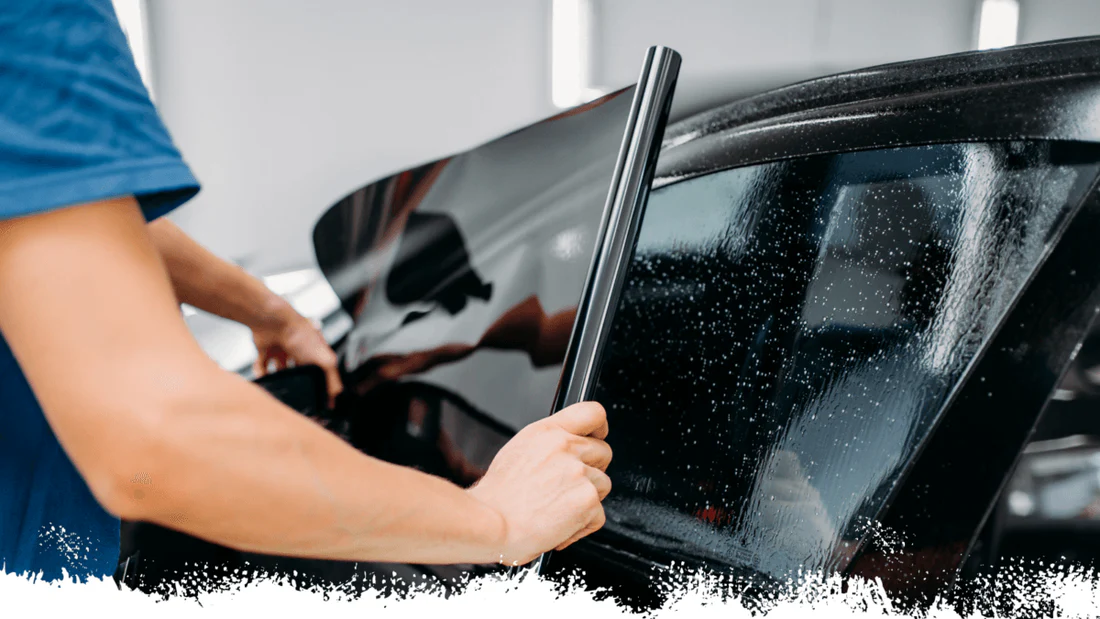
Technicians will inspect the glass for chips, scratches, and seal condition before starting. They’ll measure and cut film—often with a plotter for vehicles—or use a template system for residential panes to ensure edge-to-edge coverage without overhang.
Installation typically takes 1–3 hours for a car and 2–6 hours for multiple home windows. Expect the installer to clean glass with a solvent, apply a soapy solution, squeegee out bubbles, and trim edges. You may see condensation or small bubbles immediately after; those clear within several days to a few weeks as adhesive cures.
Ask for documentation that lists film brand, model, VLT percentage, and installer certification (3M, Tint Academy, or local certs). Get clear instructions on when you can roll down car windows or dry-clean treated curtains.
Maintenance Tips for Longevity
Wait times: do not roll down vehicle windows for at least 48–72 hours, or follow the installer’s specific cure time. For residential film, avoid aggressive window washing for 7–14 days to allow the adhesive to fully bond.
Use only a soft, non-abrasive microfiber or sponge and a mild, ammonia-free cleaner. Wipe with gentle horizontal strokes and avoid razor blades against the film. For edges and seals, inspect monthly for lifting or peeling; clean seals with a damp cloth to remove grit that can pry film loose.
If you notice small bubbles, avoid puncturing them; many disappear as trapped moisture evaporates. For adhesive residue or stubborn marks, return to a certified installer rather than attempt strong solvents yourself.
Warranty and Service Options
Request a written warranty that specifies coverage: edge lifting, bubbling, fading, adhesive failure, and warranty length (commonly 5–LIFETIME years depending on brand). Note exclusions such as glass damage, improper prior repairs, or use of abrasive cleaners.
Verify whether the warranty is transferable and if service requires returning to the original installer or any authorized dealer (3M and other manufacturers often maintain dealer networks). Ask about a post-install inspection within 30 days to catch defects early.
Keep all purchase documents, the film description (brand/model), and installer contact details. If an issue arises, document it with photos and date-stamped notes before contacting the installer or manufacturer to file a claim.