

5 Tips To Keep Emergency Call Buttons Ready for Seniors
Falls among the elderly are more prevalent than most families are aware of. As a result, most elderly people stay alone and are concerned about what can happen should they fall and be unable to access assistance. In such situations, both the seniors and their caregivers can be stressed by the fear of being immobilized and abandoned. Consequently, these incidents may produce severe injuries or delays in responding.
An effective emergency call button provides an easy and quick remedy. In practice, this equipment enables the elderly to easily notify the caregivers or monitoring centers and save time to receive assistance. However, purchasing the device is only the initial phase; maintenance, testing, and education should follow to have a device that is operational during emergencies. Therefore, this initiative reduces any risks and improves safety.
This article provides five key best practices to make the emergency call button for the elderly who fall available when needed.
1. Test Device Daily
Daily device checks guarantee that the emergency call button for elderly who fall works when needed most. Testing confirms battery levels, connectivity, and speaker clarity. Caregivers can identify potential malfunctions before they become emergencies. Regular attention to devices ensures safety and builds routine awareness.
Regular evaluation also accustoms the elderly to the use of devices. As a result, when they realize that clicking the button will result in instant assistance, the older population is less likely to panic. Over time, with frequent training, one becomes at ease. In addition, being familiar with devices also ensures prolonged levels of trust and decreases anxiety.
Basic schedules prevent undetected failure and would create confidence in emergency systems. In addition, the storage of devices helps in the total household safety and preparedness. Overall, emergency preparedness is affected considerably by small, regular measures.
2. Maintain Battery Health
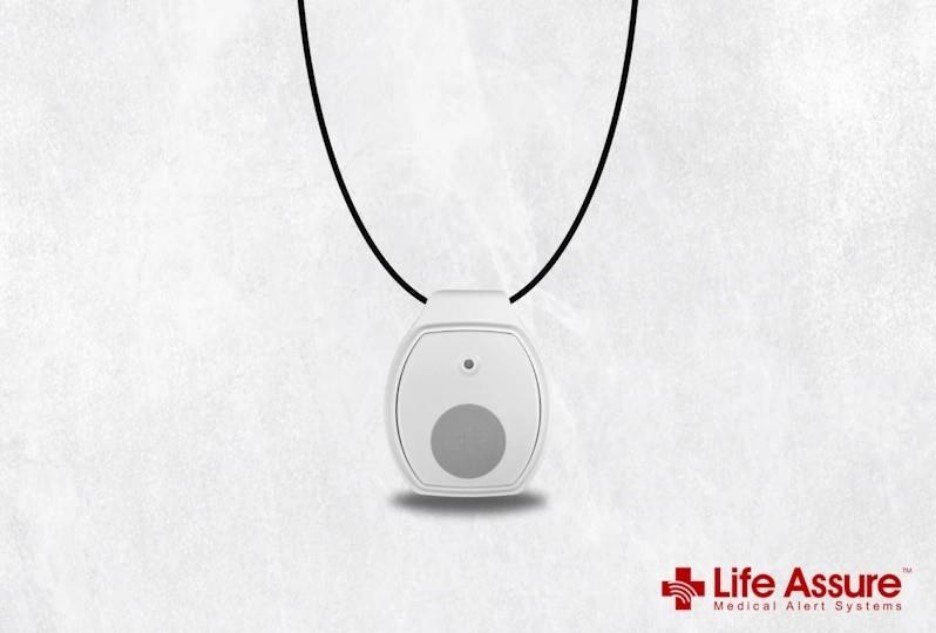
Low battery is also a major cause of malfunction in emergency call devices. Therefore, always ensure that the device is charged and that one replenishes batteries as per the directions of the manufacturer. Although lithium-ion batteries have a longer life, they still deteriorate over time. Thus, regular monitoring of batteries will help maintain the protection and reliability of batteries.
Avoid letting devices sit unused for extended periods. Even unused batteries lose capacity gradually. Scheduling weekly checks ensures the battery can handle multiple emergency activations if necessary. Staying proactive prevents unexpected downtime.
Properly maintained batteries reduce operational failures in critical moments. Regular battery attention extends the life of devices. Simple monitoring habits increase confidence in device performance.
3. Verify Network Connection
The presence of good network connectivity is essential in transmitting instant alerts. Therefore, ensure that the emergency call button of the elderly who fall has a consistent connection with monitoring centers. However, breakages in cellular or Wi-Fi connections may slow down response time. Thus, regular signal tests ensure continuous access to the emergency.
Check signal strength periodically, especially after moving the device or relocating to the base station. Interference between walls, appliances, or other electronics may weaken signals. Adjust placement to maintain consistent connectivity. Simple placement strategies improve network reliability.
In emergency response, connectivity is an important consideration. Therefore, sending signals means ensuring that help is quick. In addition, frequent check-ups lead to trust in the devices. Moreover, backup network options can also be used to increase reliability in dire cases.
4. Keep Device Clean

Emergency call buttons can be affected by dirt and moisture, which in turn can damage the functionality. Therefore, wipe with soft and wet clothes and do not use harsh chemicals to clean the device frequently. Moreover, hygiene also plays an important role in avoiding accidental obstruction of the button. As a result, cleaning schedules must be incorporated into weekly or daily cleaning schedules to ensure regular cleaning.
In addition, protective covers should be considered by seniors who use the device either in kitchens or bathrooms, or when performing tasks outside. These covers allow avoiding the impact of water on the phone as well as debris, while not affecting signal transfer. By choosing covers that can be easily opened, the device will stay fully functional, even when covered.
Maintenance studies indicate hygiene affects device longevity. Research published found that routine cleaning of wearable medical devices reduced failure rates in older adult users. Keeping the device clean safeguards both health and function. Proper cleaning also extends the overall lifespan of the device, reducing replacement costs.
5. Educate Users and Caregivers
Information enables both the elderly and nurses to act appropriately. Therefore, make the elderly who fall aware of how to use the emergency call button. Proper guidance also minimizes indecisiveness in the case of a true emergency. In addition, verbal instructions can be supplemented using easy written instructions, which further enhances comprehension.
Furthermore, training should include simulated scenarios, covering button pressing, addressing monitoring personnel, and follow-up procedures. Confidence is established through familiarity, which in turn curbs panic. Finally, the incorporation of family members in simulations will ensure that everyone remains coordinated in actual scenarios.
Recent research stresses user education. A study reported that older adults trained in device operation experienced faster response times and fewer failed activations. Education ensures devices fulfill their intended purpose. Repeated drills and reviews help sustain long-term proficiency and readiness.
Conclusion
Ensuring an emergency call button for the elderly who fall is ready involves daily testing, battery maintenance, network verification, device cleaning, and proper education. Each practice strengthens reliability and supports immediate help when it matters most. Consistently following these steps can prevent unnecessary delays and provide confidence in daily living.
Start implementing these steps today. Routine checks, simple education, and attentive maintenance create a dependable safety net, giving both seniors and caregivers peace of mind. Remember to schedule regular reviews and include all household members in training to maximize effectiveness.