
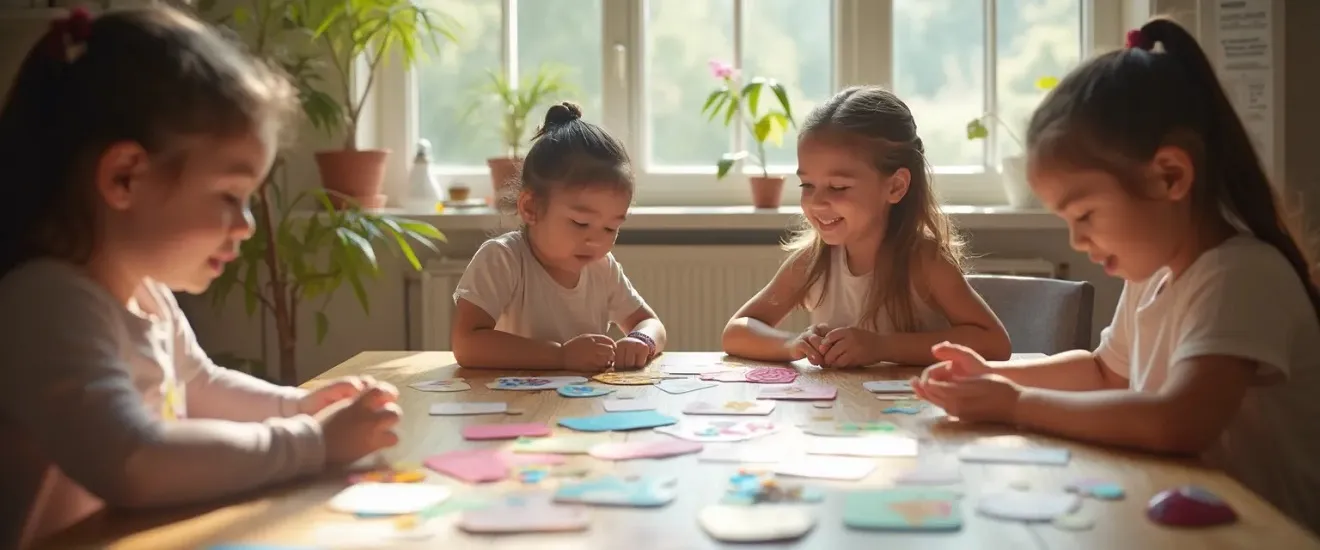
How Coloring Activities Boost Learning And Memory Retention in Students?
In today’s digital age, educational platforms like Blooket have revolutionized how students engage with learning materials. While interactive games and quizzes keep students motivated, many educators and parents are discovering that combining digital learning with traditional hands-on activities creates the most effective learning environment. One surprisingly powerful tool that complements platforms like Blooket is coloring activities.
The Science Behind Coloring and Learning
Coloring isn’t just a fun pastime for children; it’s a scientifically proven method to enhance cognitive development and improve learning outcomes. When students engage in coloring activities, multiple areas of their brain activate simultaneously, creating stronger neural connections that aid in information retention.
Research shows that coloring activities engage both the logical left hemisphere and the creative right hemisphere of the brain. This bilateral brain stimulation improves focus, reduces stress, and enhances the ability to absorb and retain new information. For students who spend time on educational gaming platforms, incorporating coloring sessions creates a balanced learning routine that maximizes retention while preventing digital fatigue.
Why Coloring Complements Digital Learning Platforms?
Educational gaming platforms excel at making learning interactive and fun, but they require sustained screen time and constant digital engagement. Coloring activities offer the perfect counterbalance by providing:
- Active Learning Through Motor Skills: While answering quiz questions develops cognitive skills, coloring engages fine motor skills and hand-eye coordination. This physical engagement creates additional memory pathways that reinforce the concepts students learn during their gaming sessions.
- Stress Reduction and Focus: The repetitive motion of coloring has a meditative effect that reduces anxiety and improves concentration. Students who take coloring breaks between gaming sessions often return to their educational activities with renewed focus and better retention capabilities.
- Visual Memory Enhancement: Coloring subject-specific images helps students create visual associations with academic concepts. When a student colors a diagram of the solar system, for example, they’re more likely to remember planetary information they learned during their science quiz games.
Integrating Coloring Activities into Your Learning Routine
For Teachers Using Educational Gaming Platforms
Teachers can maximize the effectiveness of their digital learning tools by strategically incorporating coloring activities into their lesson plans:
- Brain Breaks: After 20-30 minutes of interactive gaming, offer students a 10-minute coloring break. This allows their minds to process the information while staying engaged in a related educational activity.
- Reward System: Use coloring pages as rewards for students who complete their quiz sets or achieve certain point milestones. This creates positive associations with both activities and maintains motivation.
- Subject Reinforcement: Provide coloring pages that directly relate to the topics covered in digital quizzes. If students just completed a math game about fractions, offer fraction-themed coloring worksheets that reinforce those concepts visually.
- Exit Tickets with Color: Instead of traditional written exit tickets, allow students to complete a simple coloring activity that demonstrates their understanding of the day’s lesson. For example, “color the correct answer” activities combine assessment with creative expression.
For Parents Supporting Home Learning
Parents looking to create balanced learning experiences for their children can use coloring as a complementary activity to educational gaming:
- Screen Time Balance: After your child completes their daily educational games, transition to coloring activities that reinforce the same concepts. This maintains learning momentum while reducing overall screen exposure.
- Multi-Sensory Learning: Combine gaming sessions with coloring activities to engage multiple senses. This approach helps children with different learning styles absorb information more effectively.
- Quiet Focus Time: Use coloring activities during periods when you need your child to work independently but want to keep them engaged with educational content.
Subject-Specific Coloring for Maximum Impact
Different subjects benefit from different types of coloring activities:
Mathematics
Coloring activities for math can include number recognition pages, geometric pattern designs, fraction circles, and color-by-number worksheets that require solving equations. These activities transform abstract mathematical concepts into visual, memorable experiences.
Science
Science coloring pages featuring the human body, plant life cycles, the water cycle, or animal classifications help students retain complex scientific information through visual learning. Labeling diagrams while coloring creates dual-coding in memory.
Language Arts
Labubu coloring pages, vocabulary illustration sheets, and story sequence coloring activities support literacy development and comprehension skills.
Social Studies
Maps, historical figures, cultural symbols, and timeline illustrations provide visual context for social studies concepts learned through educational games.
Where to Find Quality Educational Coloring Resources?
Finding high-quality, educationally relevant coloring pages can be challenging. Many websites offer generic coloring content, but for maximum learning impact, you need resources specifically designed to support educational objectives.
Cutecolorings provides a comprehensive collection of educational coloring pages organized by subject and grade level. The platform offers free printable coloring sheets that align with common curriculum standards, making it easy for teachers and parents to find activities that reinforce specific learning goals. From basic counting and letter recognition to advanced scientific diagrams and historical timelines, the resource library supports learners at every level.
Creating an Effective Learning Schedule
To maximize the benefits of combining digital educational games with coloring activities, consider this balanced schedule:
Monday through Friday:
- 15-20 minutes: Educational gaming session
- 5-10 minutes: Coloring break with subject-related content
- 15-20 minutes: Additional gaming or practice
- 10-15 minutes: Free creative coloring time
Weekend Enrichment:
- Review concepts from the week through themed coloring projects
- Create colored study guides that students made themselves
- Use coloring as a relaxed way to preview upcoming topics
Measuring the Impact
Parents and teachers can track the effectiveness of this combined approach by:
- Monitoring test scores and quiz performance over time
- Observing focus and engagement levels during learning sessions
- Asking students to recall information learned during both activities
- Noting improvements in fine motor skills and attention span
Many educators report that students who engage in both digital learning and hands-on coloring activities demonstrate better long-term retention and more positive attitudes toward learning.
Perfect Partnership: Digital and Traditional Learning
Educational gaming platforms and coloring activities aren’t competitors; they’re partners in creating comprehensive, effective learning experiences. Digital platforms provide immediate feedback, adaptive challenges, and engaging gameplay that motivates students. Coloring activities offer stress relief, motor skill development, and visual memory reinforcement that deepens learning.
By thoughtfully integrating both approaches, educators and parents can create learning environments that address multiple learning styles, maintain student engagement, and produce measurable improvements in retention and understanding.
Conclusion:
As educational technology continues to evolve, the most successful learning strategies will be those that blend the best of digital innovation with proven traditional methods. Coloring activities provide the perfect complement to educational gaming platforms, offering cognitive benefits that enhance memory retention, reduce stress, and create well-rounded learning experiences.
Whether you’re a teacher looking to maximize classroom engagement or a parent supporting home learning, incorporating strategic coloring activities alongside digital educational tools creates a powerful combination that helps students not just learn information, but truly retain and understand it.
Start building this balanced approach today by selecting coloring activities that align with your students’ current learning objectives, and watch as their retention, focus, and enthusiasm for learning grow.