Municipal Recycling Partner: Strategies for Efficient Community Waste Management
Partnering with a municipal recycling provider gives you operational expertise, predictable service, and measurable ways to cut landfill costs and boost diversion rates. A strong municipal recycling partner delivers collection, processing, and program design that fit your community’s goals while freeing your staff to focus on policy and residents.
You’ll learn how the best partners support on-time collection, maximize material recovery, and unlock funding or technical resources so your program runs leaner and more effectively. Expect practical collaboration strategies that clarify roles, set performance metrics, and keep residents engaged—so your community meets sustainability targets without surprises.
Role and Importance of a Municipal Recycling Partner
A municipal recycling partner handles daily operations, technical services, and contract management so your community recycles more materials at lower cost. They also bring market access, data reporting, and public outreach expertise that improve program performance and resident participation.
Core Services Provided
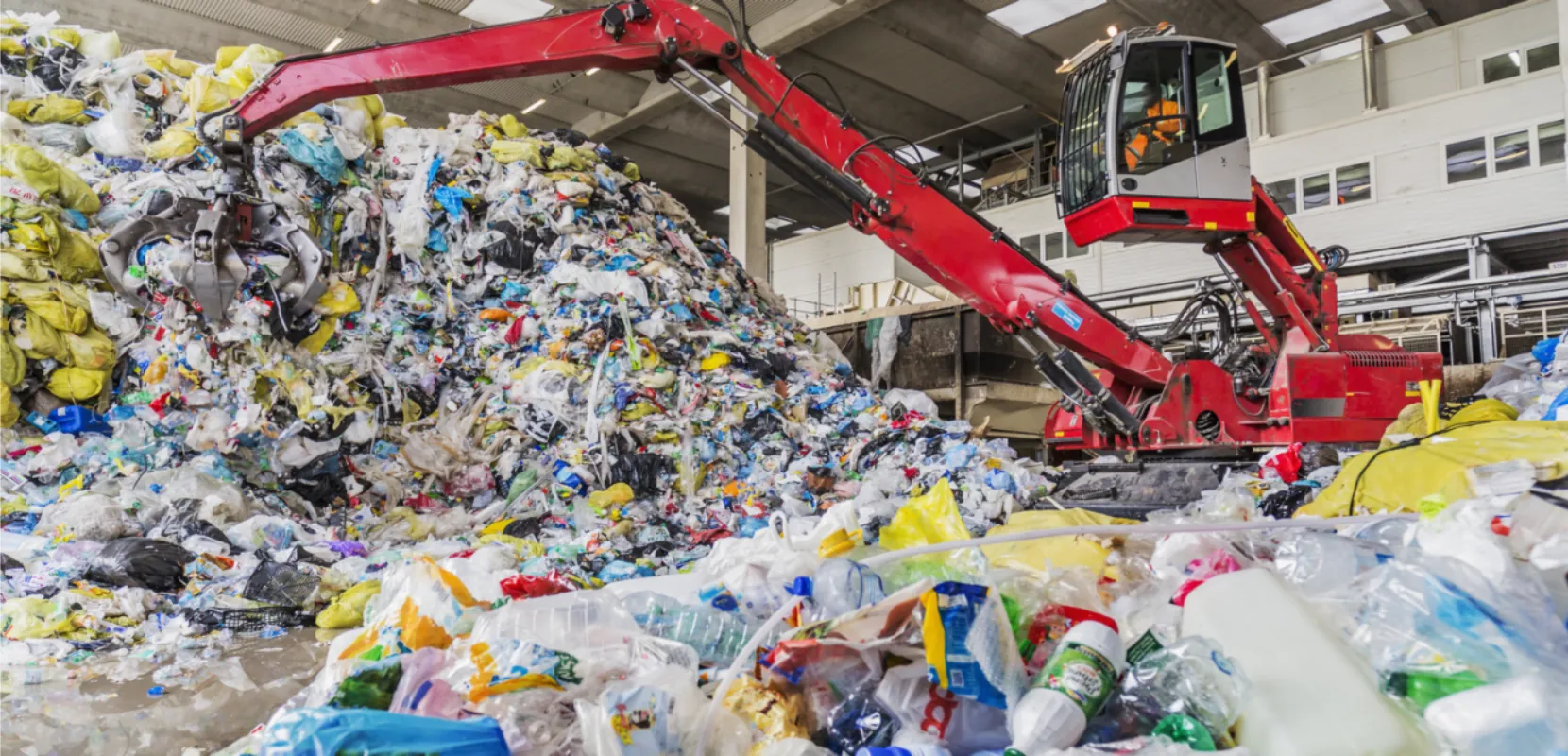
A partner typically manages collection logistics, including route planning, vehicle provision, and driver staffing to maintain reliable curbside or drop‑off services. They operate material recovery facilities (MRFs) or arrange processing, ensuring recyclables are sorted to meet end‑market specifications.
They secure end‑markets and negotiate sale or disposal contracts for fiber, plastics, glass, and metals, which stabilizes revenue streams and reduces contamination penalties. Many partners supply bins, signage, and seasonal collection programs, plus specialized services for electronics and bulky items.
You should expect data reporting, contamination audits, and continuous improvement plans from your partner. These services let you track tonnage, recovery rates, and program costs so you can make evidence‑based budget and policy decisions.
Benefits for Local Governments
Working with a qualified partner lowers your capital and operating burdens by shifting equipment purchases, staffing, and facility management to the contractor. This arrangement reduces municipal risk and often shortens time to launch or scale programs.
You gain technical expertise in market access and commodity pricing, which helps protect your budget from volatile recycling markets. Partners also run education campaigns and provide materials that increase resident participation and reduce contamination — improving processing efficiency and resale value.
Contractual performance metrics let you hold the partner accountable for service levels, diversion targets, and reporting frequency. Clear service-level agreements (SLAs) and financial transparency help you predict costs and demonstrate program performance to elected officials and residents.
Partnership Selection Criteria
Prioritize partners with documented experience operating MRFs and municipal collection contracts in communities similar in size and density to yours. Request references, recent performance data (contamination rates, tons diverted), and examples of market contracts for major materials.
Evaluate financial models: guaranteed revenue vs. cost‑plus contracts, and how risk from commodity price swings is allocated. Check for comprehensive service scope—collection, processing, education, reporting—and for required permits and insurance.
Assess operational capacity: fleet condition, staffing plans, emergency coverage, and contingency plans for market disruptions. Finally, demand transparent KPIs, data access, and clear exit or transition clauses so you can enforce performance and switch providers if necessary.
Strategies for Effective Collaboration
Focus on building measurable partnerships, using data and technology to guide decisions, and designing programs that match local needs and budgets. Prioritize clear roles, predictable funding, and regular performance tracking.
Community Engagement Initiatives
You should create targeted outreach that reaches specific audiences rather than generic messages. Use door‑to‑door pilots, language‑specific mailers, and QR codes on bins that link to short how‑to videos to increase correct sorting. Track participation by block or building to identify low‑performing areas and schedule focused education events there.
Set up formal roles for stakeholders: appoint a business liaison, a multifamily coordinator, and a school program lead. Run quarterly stakeholder meetings with published agendas and action items so partners know responsibilities and timelines. Offer small, measurable incentives—like collection frequency adjustments or reduced contamination fees—tied to documented improvements.
Use clear metrics: capture participation rate, contamination rate, and pounds diverted per household. Publish a one‑page dashboard for residents and partners so everyone sees progress and can act on specific gaps.
Technology Integration
You should deploy data systems that support real decisions, not just dashboards. Implement route‑level collection software that records weight and bin imagery to identify contamination hotspots and optimize truck scheduling. Integrate that data with GIS to plan targeted education and to reduce empty miles.
Adopt simple, resident‑facing tech like single‑click reporting apps for missed pickups and RFID or QR tracking on commercial containers to verify pickups and record contamination incidents. Use automated camera systems at MRFs (materials recovery facilities) to quantify inbound contamination and produce monthly reports for partners.
Standardize data formats and sharing protocols with partners to enable joint analysis. Hold monthly data reviews to translate findings into actions—such as changing curbside setouts, modifying contract terms with haulers, or reassigning outreach resources.
Sustainable Program Development
You should align program design with local markets and financing realities from the start. Conduct a short market assessment that identifies end‑markets for paper, glass, plastics, and organics and estimate revenue or processing costs. Use that to choose service levels—curbside single‑stream, dual‑stream, or targeted organics collections—that are economically viable.
Structure partnerships with clear funding mechanisms: shared cost models, performance‑based payments, or grant‑matched seed funding. Include contractual clauses for periodic renegotiation tied to commodity prices and service KPIs. Build scalability into procurement—pilot small, document outcomes, then scale services with explicit decision points.
Finally, commit to continuous improvement: schedule annual program audits, update contamination thresholds, and retrain crews and partners after each major change. Maintain a reserve fund or contingency plan to sustain operations through market swings without abrupt service cuts.