Learning Through Cooking: How Culinary Skills Inspire Creativity And Teamwork
In today’s world, education goes beyond books and classrooms. Real learning often happens in places where hands-on experiences meet creativity. One of the best environments for this is the kitchen and cooking with culinary skills.
Cooking isn’t just about preparing food; it’s a powerful learning tool that teaches valuable life skills. It encourages creativity, problem-solving, teamwork, and patience. Whether you are trying a new recipe or perfecting an old one, cooking and culinary skills helps develop the same important thinking skills used in school and in life.
Culinary Skills as a Creative Learning Tool
When people cook together—whether it’s students in a classroom or families at home—they practice key learning skills. In the kitchen, cooking with culinary skills becomes an activity that teaches while also engaging the mind.
For example, measuring ingredients helps with math skills. Students learn to measure cups, teaspoons, and fractions, improving their understanding of numbers and measurements. Reading recipes also enhances reading comprehension. Following written instructions is an important skill that requires focus, attention, and understanding. As students learn new cooking techniques, they also develop problem-solving abilities. Whether it’s adjusting a recipe or figuring out how to fix a dish that didn’t turn out as expected, the process encourages critical thinking.
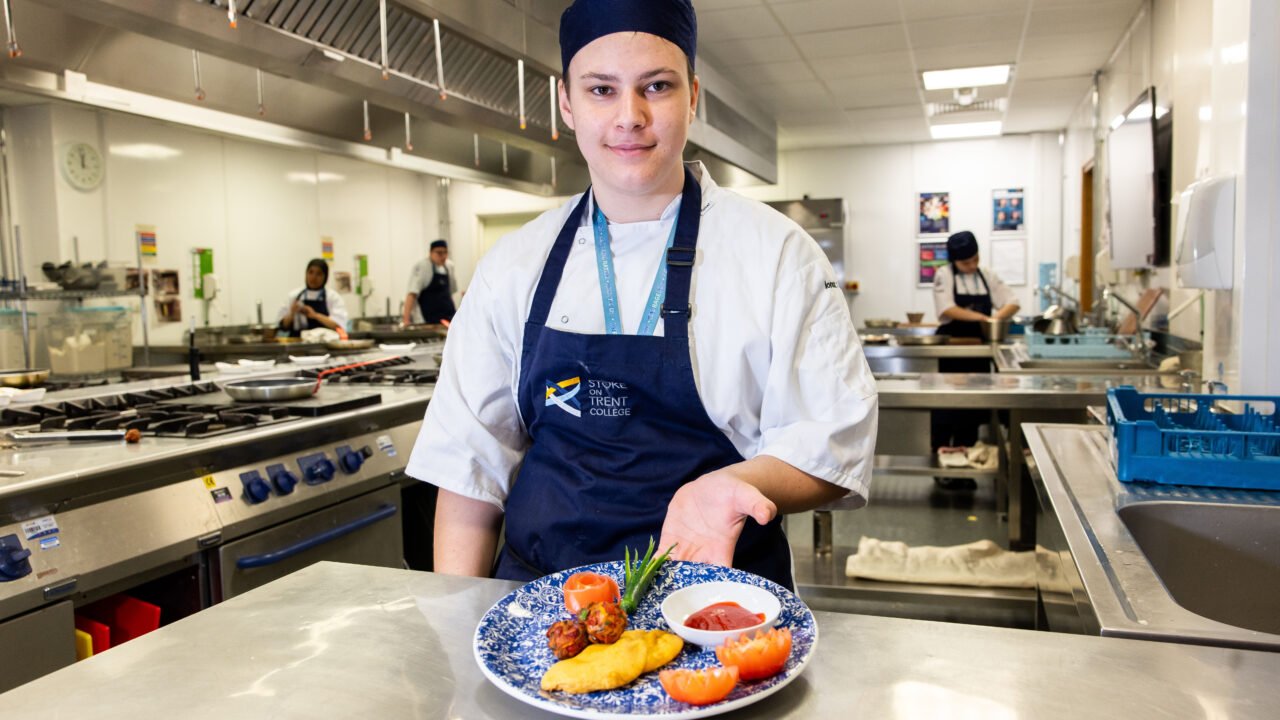
Additionally, culinary skills can boost creativity. Plating food involves artistic thinking, as it requires choosing colors, textures, and arrangements that make the dish look appealing. This creative side of cooking inspires students to think outside the box and express themselves in new ways.
These everyday lessons show how learning can be both fun and practical, much like the interactive educational games used in classrooms. Similar to how platforms like Blooket engage students by making learning fun, cooking makes learning more hands-on, providing real-world knowledge that sticks with you.
Teamwork and Collaboration in the Kitchen
One of the most important culinary skills cooking teaches is teamwork. Cooking a meal requires good communication, collaboration, and timing. In a kitchen, everyone has a role, whether it’s chopping vegetables, stirring the pot, or setting the table. Each step needs to be done in harmony, and this teamwork mindset extends beyond cooking into other areas of life, including business and community building.
For instance, at Skillet Flame Restaurant, the kitchen is not just a space for cooking. It is a team environment where culinary skills and creativity come together to produce memorable meals. Just like in a classroom or workplace, respect and coordination are essential for success. Chefs and staff work together to create delicious meals, showing how effective teamwork can lead to great results.
In a similar way, cooking together in a family or classroom setting teaches people how to communicate and work with others to reach a common goal. These skills are crucial for success in any group setting, from school projects to future job opportunities. By focusing on teamwork, students develop essential social skills that will serve them well throughout life.
Learning Beyond the Classroom with Culinary Skills
Cooking is more than just a practical activity; it’s also a way to explore the world. When students learn to cook dishes from different countries, they also learn about geography, history, and cultures with culinary skills. It’s an engaging way to connect lessons about the world to real-life experiences. Cooking offers an opportunity for students to understand and appreciate global cuisines, learn about food traditions, and understand different cultural practices.
This hands-on learning experience goes far beyond the classroom. By cooking meals from different regions, students gain a deeper appreciation for diverse cultures. For example, making a traditional Italian pasta dish provides insight into Italian history and food customs. Learning about spices in Indian cuisine gives students an understanding of how spices are used in cultural practices. This broadens students’ worldviews and promotes empathy by helping them better understand the lifestyles of others.
Teachers and parents can use cooking as a practical tool to enhance lessons in many subjects. Integrating cooking projects into the curriculum helps make learning more engaging and enjoyable. Cooking connects students with the material in a way that purely academic exercises may not. It allows them to apply knowledge in a real-world context, making it easier to understand abstract concepts.
Power of Cooking for Practical and Experiential Learning
Just like gamified educational platforms, cooking encourages learning through experience. When students cook, they are actively involved in the learning process. They don’t just read about a recipe or watch someone cook—they participate. This active learning helps them retain information better and understand the importance of each step in the cooking process.
Cooking teaches by doing. Whether it’s measuring ingredients or understanding how different cooking methods change the flavor of a dish, students learn through experience. This hands-on approach makes learning more effective and meaningful. Cooking teaches important life skills, such as time management, patience, and resilience. It’s an experience where mistakes are a part of the learning process. If a dish doesn’t turn out right, students can reflect, adjust, and improve next time. This process of trial and error builds critical thinking and problem-solving skills that are vital for success in all areas of life.
Final Thoughts on Culinary Skills and Education
In the end, education should engage all the senses. Cooking allows students to not only use their hands and minds but also their creativity and problem-solving abilities. From mixing ingredients to sharing a meal, cooking turns everyday moments into lessons about teamwork, creativity, and passion.
The kitchen is a classroom where learning is interactive, practical, and fun. Whether you’re following a recipe at home or learning new techniques in a professional kitchen, cooking helps you gain valuable skills that go beyond the kitchen. It teaches patience, resilience, collaboration, and creativity, making it a powerful tool for learning in every sense of the word.
So, whether you are using a platform like Blooket for interactive learning or experimenting with new recipes at home, remember that every activity can be a learning opportunity. Culinary skills are more than just useful in the kitchen; they foster essential life skills that extend far beyond the cooking pot.