
The Enchanting World of Red Diamonds: Rarity, Value, and Why Collectors Seek Them
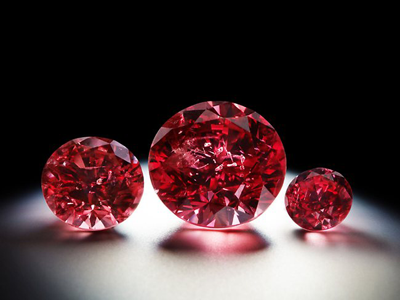
Among all gemstones found in nature, the red diamond stands as one of the rarest and most mysterious. Unlike other colored diamonds that receive their hues from chemical impurities, red diamonds obtain their color through an unusual distortion in the crystal structure during formation deep within the Earth. This phenomenon bends light in a way that produces the stunning red tone admired by collectors and investors worldwide.
Because of this unusual formation process, genuine red diamonds are exceptionally scarce. In fact, only a very small number of these stones have ever been discovered. Most of them are less than one carat in size, which makes even the tiniest stone highly valuable. Their rarity places them at the very top of the colored diamond market, often surpassing the prices of pink, blue, or yellow diamonds.
The color intensity of a red diamond can vary from purplish red to deep crimson. Gemological laboratories typically classify them based on color strength, but even the lighter shades are considered extremely valuable due to the limited supply available in the global market.
The Historic Significance of Argyle Diamonds
When discussing red diamonds, it is impossible to ignore the influence of the famous Argyle mine in Western Australia. The Argyle Diamond mine was responsible for producing a significant portion of the world’s colored diamonds, particularly pink and red stones. For decades, collectors and luxury jewelers looked to this mine as the primary source of some of the rarest diamonds ever discovered.
The Argyle mine became legendary because it yielded an unusually high concentration of colored diamonds compared to other mines worldwide. Within its production, a very small fraction included natural red diamonds, making them even more desirable. These stones were often showcased in exclusive auctions and private sales, where collectors competed for the opportunity to own one.
Since the closure of the Argyle mine in 2020, the value and desirability of Argyle diamonds have increased dramatically. With the primary source no longer producing new stones, existing red diamonds from this mine have become even more sought after. For many investors and jewelry enthusiasts, owning an Argyle diamond represents not only beauty but also historical significance.
Why Collectors and Investors Buy Red Diamonds
People who choose to buy red diamond gemstones are often motivated by more than just aesthetics. These stones have gained a reputation as one of the most exclusive investment assets in the gemstone world. Their rarity, combined with increasing demand, has contributed to strong price growth over the past several decades.
Unlike more common gemstones, red diamonds are not widely available in retail jewelry stores. They are usually traded through high-end auction houses, specialized diamond dealers, or private collectors. Because of this limited supply chain, prices remain consistently high and often appreciate over time.
Collectors appreciate red diamonds not only for their investment potential but also for their unique beauty. The rich red hue symbolizes passion, power, and prestige, making these stones popular for statement jewelry pieces. A red diamond ring, pendant, or collector’s stone instantly becomes the centerpiece of any luxury collection.
Additionally, the growing global interest in rare gemstones has contributed to the increasing popularity of red diamonds. As investors diversify beyond traditional assets, rare colored diamonds have become an attractive alternative due to their portability, durability, and historical appreciation in value.
Factors to Consider Before Purchasing a Red Diamond
Anyone planning to buy red diamond gemstones should understand the key factors that determine their value. As with other diamonds, the traditional grading principles—cut, clarity, and carat weight—play an important role. However, in the case of red diamonds, color intensity is often the most critical factor.
A vivid red diamond with strong saturation can command significantly higher prices than a stone with a lighter tone. Even a small difference in color intensity can greatly affect the stone’s value. Because these diamonds are extremely rare, even minor variations are highly significant to collectors and gemologists.
Certification from reputable gemological laboratories is another essential factor when purchasing a red diamond. Authentication ensures that the stone is natural and untreated, which is crucial for both collectors and investors. Documentation also provides detailed information about the diamond’s origin, color grade, and overall quality.
Buyers should also consider the diamond’s provenance. Stones linked to the Argyle mine or notable collections often carry additional prestige and value. Provenance can enhance the diamond’s story, making it more desirable in the luxury market.
The Future of Red Diamonds in the Global Market
The global market for rare gemstones continues to evolve, and red diamonds remain at the center of this growth. With the closure of the Argyle mine and the limited discovery of new deposits, the supply of natural red diamonds is expected to remain extremely scarce.
This scarcity is likely to push demand even higher among collectors, investors, and luxury jewelry houses. As a result, many experts believe that the value of red diamonds will continue to rise in the coming years. For individuals who appreciate rare beauty and long-term investment potential, these gemstones represent a remarkable opportunity.
Ultimately, the fascination with red diamonds goes beyond their monetary value. Their mysterious origin, breathtaking color, and incredible rarity make them one of the most captivating treasures found in nature. Whether admired in a museum collection or worn as a luxury jewel, a red diamond remains a timeless symbol of exclusivity and elegance.