How Educational Workbooks Can Boost Your Child’s Learning?
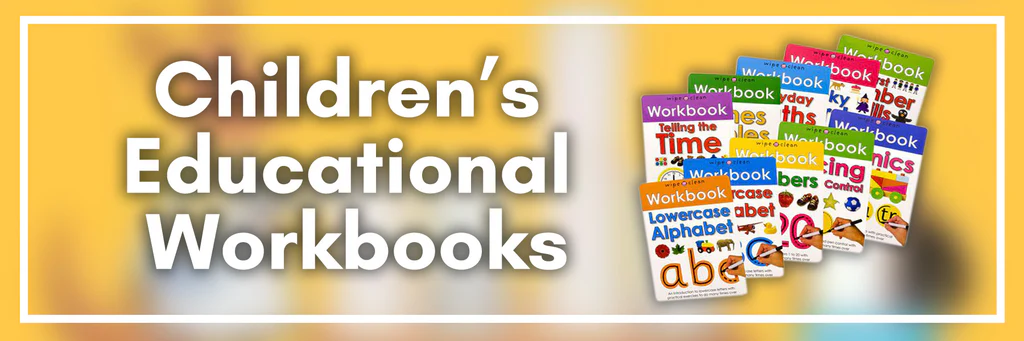
Educational workbooks are becoming a vital part of children’s learning, especially in early education. These books are filled with exercises designed to help kids practice and master new skills. They are growing in popularity because of how effectively they support learning at home and in schools.
The aim of this article is to explore how educational workbooks can significantly enhance a child’s education. By understanding their benefits and proper use, parents and educators can incorporate them more meaningfully into a child’s learning journey.
Understanding Educational Workbooks
Workbooks are educational tools designed with activities and exercises to help enhance children’s understanding of various subjects. They differ from other learning resources, like textbooks and digital apps, as they offer hands-on practice through structured exercises. This makes them interactive and engaging for kids.
In education, workbooks serve a crucial role by:
- Providing consistent practice through exercises
- Helping assess a child’s comprehension of a subject
- Allowing self-paced learning
By understanding the definition and role of workbooks, we see how they can shape and support the educational experiences of children. In the upcoming sections, we will dive deeper into their benefits and discuss how to choose and use the right workbook for your child.
Benefits of Educational Workbooks for Kids
Educational workbooks are a fantastic tool for children’s learning. Let’s explore some of the key benefits they offer:
- Skill Development: Workbooks play a crucial role in building essential skills such as literacy and numeracy. These books provide structured exercises that help children practice reading, writing, and math in an engaging way, making complex concepts more approachable. Additionally, kindergarten workbooks align with developmental milestones, offering age-appropriate tasks that support natural learning progress.
- Discipline and Practice: Regular use of workbooks encourages children to develop self-discipline through consistent practice. By setting aside a specific time each day to work on these activities, children can build a routine that enhances their ability to focus and complete tasks independently.
- Confidence Building: Completing tasks in workbooks can significantly boost a child’s confidence. As they progress through the pages and see their own improvement, children gain a sense of achievement that motivates further learning.
Education Workbooks: Age-Appropriate Selections
Choosing the right workbook is important for maximizing the learning benefits at every age. Here’s how you can make age-appropriate selections:
- Age Relevance: Educational workbooks come in a variety of types and levels suited to different age groups, from preschool to kindergarten and beyond. Selecting the appropriate level ensures the tasks are neither too easy nor too challenging, keeping children motivated and engaged.
- Developmental Stages: Workbooks are designed to align with developmental milestones typical for each stage. For example, preschool workbooks might focus on basic shapes, colors, and simple counting, while kindergarten workbooks often include early reading and simple arithmetic exercises. This alignment supports natural learning progress.
By choosing educational workbooks that suit your child’s age and interests, you can ensure that learning is both fun and effective.
Choosing the Right Workbook for Your Child
Selecting the right workbook can significantly influence your child’s learning experience. Here are some tips to help you make an informed choice:
- Understand Your Child’s Interests: Choose workbooks that align with what your child enjoys. This interest-based approach keeps them engaged and excited to learn.
- Check for Quality Indicators:
- Ensure the workbook aligns with educational standards recommended by authorities.
- Consider the balance between challenges and achievable tasks that match your child’s abilities.
- Seek Age-Appropriate Options: Select workbooks designed for your child’s age group to ensure the content is neither too easy nor too challenging. Parents can browse age-graded workbook collections from School Zone, Evan-Moor, or Carson Dellosa, which organize educational materials by grade level, subject area, and skill development focus to simplify selection for specific learning needs.
- Feedback and Reviews: Reading reviews from other parents or educators can provide insights into the workbook’s effectiveness.
- Consult Resources: Refer to guidelines from reputable sites like GreatSchools.org for comprehensive advice on selecting educational workbooks.
By following these tips, you can find a workbook that complements your child’s unique learning needs, thus enhancing their educational journey.
Integrating Workbooks into Daily Routine
Incorporating workbooks into your child’s daily routine can be both seamless and beneficial. Here are some practical tips to help you integrate workbooks into your home life:
- Set a Regular Time: Choose a consistent time each day dedicated to workbook activities, such as right after breakfast or before bedtime, to establish routine and expectation.
- Create a Learning Space: Designate a quiet and comfortable area where your child can focus on workbook tasks without distractions.
- Make it Fun: Use colorful pens or stickers as rewards for completing workbook pages. This can make learning more exciting and engaging for your child.
- Combine with Play: Balance workbook activities with free play to keep your child motivated. Mixing structured learning with play fosters a well-rounded experience.
- Involve the Family: Turn workbook time into a shared activity by inviting siblings or parents to join in. This encourages a supportive learning environment.
Balancing workbook engagement with play is crucial for maintaining your child’s interest and enthusiasm. This balance helps promote a positive attitude towards learning, combining education with enjoyment.
Conclusion
Educational workbooks present various advantages that enrich a child’s learning journey. They enhance skills, instill discipline, build confidence, and support early learning standards. By weaving workbooks into your child’s daily routine, you open doors to exciting and productive educational experiences.
We encourage you to explore the potential educational workbooks hold. They can become a powerful tool in your learning toolkit, providing long-lasting educational benefits for your child. Embrace the power of workbooks today and witness the positive impact on your child’s educational development!