
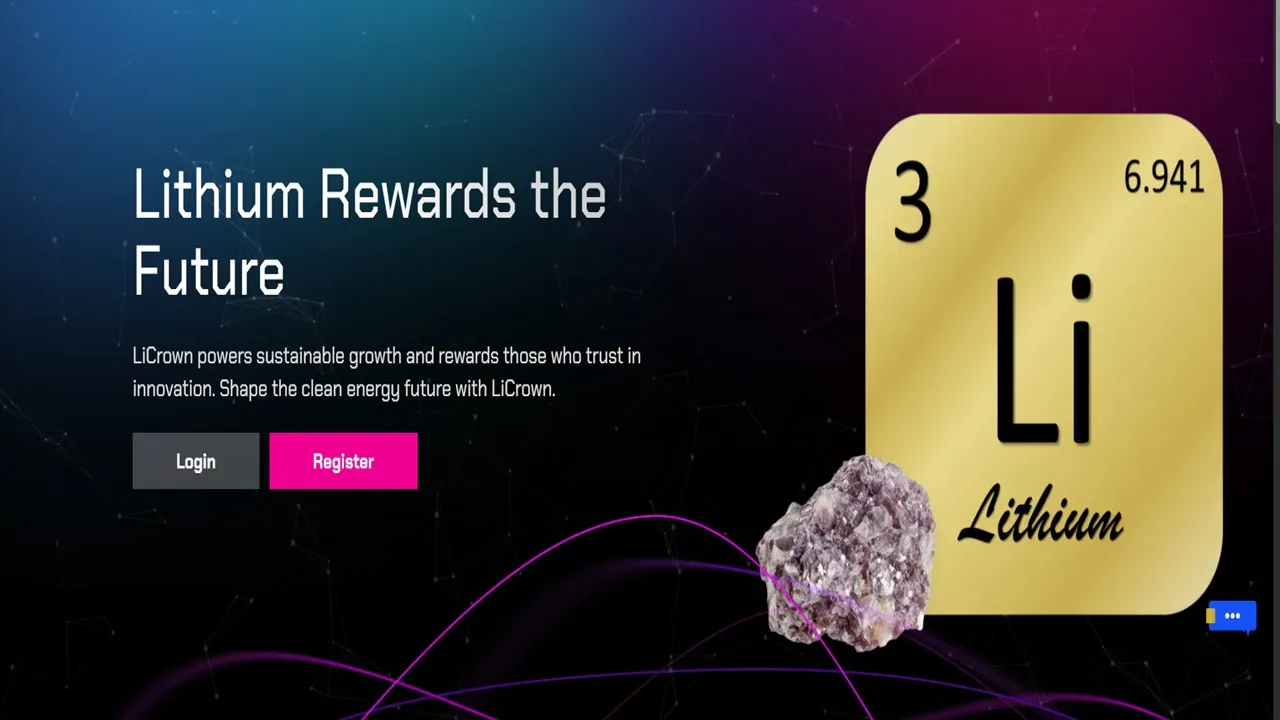
Licrown Reviewed: Platform Design, User Participation, and Public Questions
As online interest grows around clean energy, lithium resources, and digital participation models, users are increasingly cautious about where they engage. One platform that often appears in these discussions is Licrown. Search trends, such as Licrown.ai, licrown earnings, licrown company, and licrown real or fake, suggest that people are seeking an explanation rather than promotion.
This article examines how Licrown presents its platform, the structure of user participation, the explanation of rewards and access, and why questions about trust and legitimacy commonly arise.
How Licrown Positions Its Platform
Licrown describes itself as a digital ecosystem connected to lithium-focused growth and clean-energy demand. Through its online portals, including licrown.ai, the platform outlines a system where users register, access a dashboard, and participate in predefined programs.
The platform does not frame itself as a trading exchange or an investment broker. Instead, it emphasizes structured participation within an internal system. This distinction is important for users researching the platform and trying to understand the nature of engagement.
Participation Flow and User Visibility
After registration, users gain access to a centralized dashboard. This dashboard serves as the primary interface for tracking participation status, rewards, and referral data.
Searches related to earnings often stem from confusion about how rewards are generated. The platform explains that rewards are system-generated and displayed based on participation rules rather than user-controlled actions. These rewards are typically shown as entries that accumulate over time.
Incentives Beyond Base Rewards
The platform introduces additional incentives through bonus mechanisms. These bonuses are described as an added layer of rewards linked to specific participation conditions. These bonuses are tracked separately from base rewards and remain visible within the dashboard.
The platform also includes a referral-based participation feature. Through a referral code or link, users can invite others to join. When new participants activate their accounts, referral-related rewards may be credited. Transparency is emphasized by showing referral activity clearly inside user accounts.
Access Method and App Expectations
Many users search for the app or download options, expecting a mobile application. Currently, the platform primarily operates through a web-based system accessible via standard browsers.
The platform highlights flexibility by allowing access across devices without requiring installation. Any future app-related announcements are expected to come through official channels, and users are advised to avoid unofficial downloads.
Withdraw Conditions and User Awareness
Another frequent concern is withdrawal. According to platform explanations, withdrawal eligibility depends on internal rules, participation level, and system availability.
Users can view balances, reward history, and eligibility indicators directly inside the dashboard. The platform presents this visibility as a transparency measure, allowing users to understand their status before attempting any withdrawal-related actions.
Understanding Trust-Related Searches
Search phrases such as “real or fake,” “scam or legit,” and “expose” are common when a platform becomes more visible. These searches usually reflect user caution rather than verified conclusions.
The platform does not promote guaranteed profits or fast returns. Instead, it frames participation as part of a long-term ecosystem aligned with lithium demand and clean-energy growth. This positioning differs from platforms that rely on exaggerated claims.
Platform Transparency and Internal Indicators
Users searching for proof often want visible confirmation of activity. The platform provides internal indicators such as dashboards showing rewards, referrals, and participation records.
While internal visibility helps users track progress, independent research remains important. Users are encouraged to rely on official sources and avoid third-party misinformation.
Long-Term Focus and Industry Context
The company aligns its narrative with global trends in electric vehicles, battery storage, and renewable infrastructure. Lithium’s growing importance in these industries forms the backbone of the company’s long-term messaging.
This broader context explains why the platform attracts attention from users interested in energy-related participation rather than speculative trading.
Frequently Asked Questions (FAQs)
Does the platform involve any form of trading or market speculation?
The platform does not describe its system as a trading or market-based system. Participation is presented as system-driven rather than price-based.
Is the platform designed for beginners or experienced users?
The platform presents its interface as structured and dashboard-driven, which may appeal to users seeking simplicity rather than technical market experience.
Can users pause or stop participation after joining?
Participation appears to be account-based. Users should review platform terms to understand how inactivity or account status is handled.
Are rewards affected by external market prices?
The platform does not publicly state that rewards fluctuate based on live lithium market prices. Rewards are shown as internally generated.
Does the platform guarantee any minimum returns?
The platform does not promote guaranteed outcomes. Rewards are described as system-based and dependent on participation rules.
Is the platform suitable for users seeking short-term gains?
The platform frames itself around long-term alignment with clean energy trends, which may not match short-term expectations.
How transparent is the platform for active users?
Active users can view rewards, referrals, and participation data through their dashboards, which the platform highlights as a transparency feature.
What is the biggest reason users hesitate before joining?
Most hesitation appears to come from uncertainty around new platforms, withdrawal rules, and long-term reliability; common concerns with emerging ecosystems.