Why Pie Charts Remain One of the Most Powerful Visual Tools?
We live in a world overflowing with data. Every decision, from business strategy to classroom learning, is influenced by numbers. But raw data alone rarely inspires action without pie charts. What truly makes an impact is how that information is presented. When data is clear, visual, and intuitive, people engage with it faster and remember it longer.
Visual tools help bridge the gap between complexity and understanding. Among them, pie charts have stood the test of time. They offer a simple yet effective way to show how different parts contribute to a whole, making them ideal for quick insights and clear communication.
That’s why tools like pie chart maker have become so valuable for professionals, educators, and creators who want to turn numbers into visuals without spending hours on design.
The Psychology Behind Pie Charts
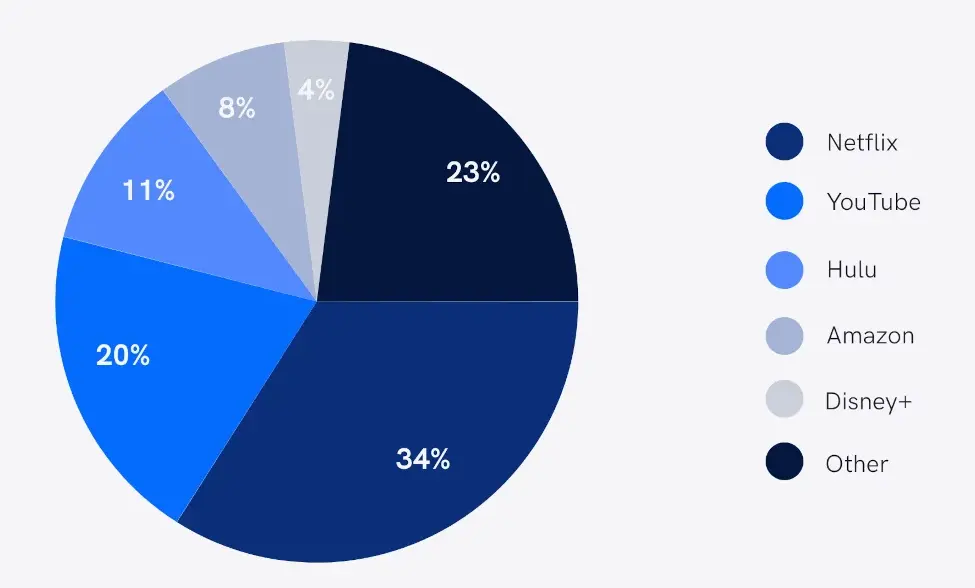
Pie charts work because the human brain is wired to recognize shapes and proportions instantly. A quick glance tells us which segment is largest, which is smallest, and how everything compares. There’s no need to analyze axes or scan rows of figures—understanding happens almost automatically.
This makes pie charts especially effective when presenting information to non-technical audiences. Whether it’s a client presentation or a school project, the format removes barriers and makes data feel approachable rather than intimidating.
When Pie Charts Are the Best Choice?
Not every dataset belongs in a pie chart, but when used correctly, they shine. Pie charts are ideal when:
- You’re showing percentage-based data
- The total equals 100%
- There are only a few key categories
- The goal is comparison, not precision
For example, showing how a marketing budget is distributed across channels or how survey respondents answered a multiple-choice question are perfect use cases.
Common Mistakes to Avoid
Despite their simplicity, pie charts are often misused. One of the most common mistakes is overcrowding the chart with too many slices. When there are too many categories, the visual impact is lost, and the message becomes unclear.
Another issue is poor color choice. Similar colors make it hard to distinguish between segments, especially for viewers with visual impairments. Clean contrast and readable labels are essential for effective communication.
Real-Life Applications Across Industries
Pie charts aren’t limited to reports and classrooms. They’re widely used across industries:
- Business teams use them to explain revenue streams or expense breakdowns.
- Marketing professionals visualize audience demographics and campaign results.
- Educators rely on them to teach fractions, ratios, and percentages.
- Nonprofits use them to show how donations are allocated, building transparency and trust.
In each case, the goal is the same: simplify information without oversimplifying the message.
Turning Data Into a Story
The most effective charts tell a story. A good pie chart doesn’t just show data—it highlights what matters most. Before creating one, it helps to define the takeaway. What should the viewer notice first? What decision should this chart support?
By designing with intent, pie charts become more than visuals. They become communication tools that guide understanding and spark conversation.
Speed, Accessibility, and Modern Design Needs
Today’s creators value speed and accessibility. Not everyone has the time—or the skill set—to use complex design software. Modern chart tools remove that friction, allowing anyone to create professional-looking visuals in minutes.
This ease of use empowers small teams, students, and solo creators to present data confidently, without compromising on quality or clarity.
Final Thoughts
Pie charts remain popular for a reason. They’re simple, familiar, and effective when used thoughtfully. In a data-driven world, clarity is everything, and pie charts deliver clarity with minimal effort.
When numbers are transformed into visuals that people instantly understand, communication improves—and better communication leads to better decisions. That’s the real power of a well-made pie chart.