The Rise of Voice Over AI in Digital Content
In the modern digital landscape, voice over AI content creators are constantly searching for ways to make their work more engaging, accessible, and professional. Written content alone is no longer enough to capture attention across multiple platforms such as videos, presentations, podcasts, e-learning modules, and social media. Audiences today prefer multimedia experiences that combine visuals, text, and audio to deliver information in a more dynamic way.
Because of this shift, creators and businesses are increasingly turning toward advanced technologies that can enhance the quality of their content without significantly increasing production time or cost. One of the most powerful solutions emerging in this space is voice over AI. This technology allows creators to transform written text into natural-sounding speech, making content more interactive and easier for audiences to consume.
What Is Voice Over AI?
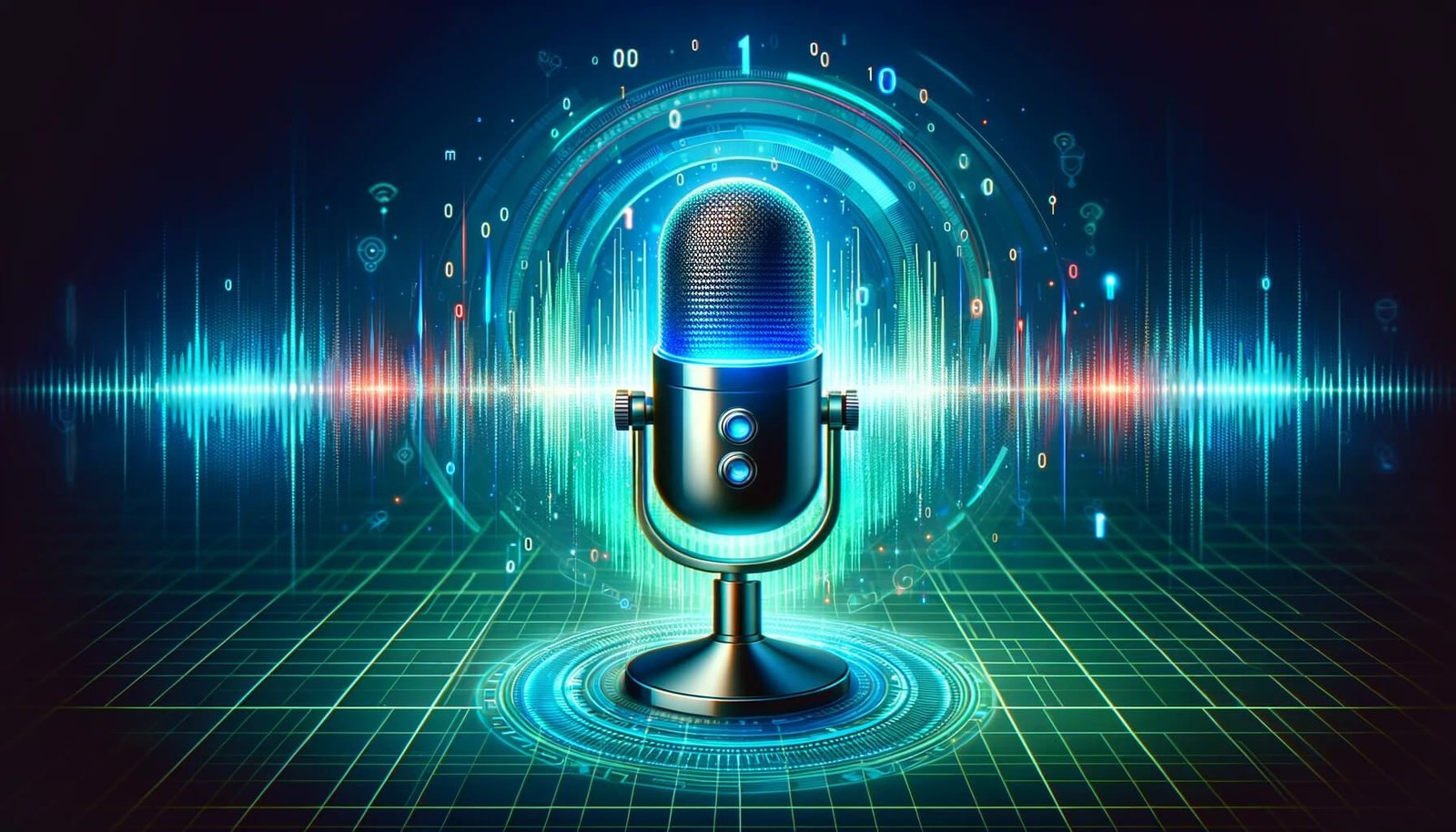
Voice over AI is a technology that converts written text into spoken audio using artificial intelligence. By utilizing advanced speech synthesis and machine learning algorithms, these systems are able to replicate human-like tone, pacing, pronunciation, and emotional expression. The result is a voice output that sounds remarkably natural and professional.
Traditionally, producing voiceovers required recording equipment, soundproof environments, and professional voice actors. While these methods still exist, AI-driven voice generation provides a faster and more cost-effective alternative. With just a script and a few clicks, creators can generate high-quality narration for videos, audiobooks, tutorials, and promotional content.
Consistency and Professional Quality
One of the biggest advantages of AI-powered voiceovers is consistency. In traditional recording environments, factors such as background noise, microphone quality, or variations in vocal performance can affect the final output. AI-generated voices eliminate many of these issues by producing clear and uniform audio every time.
This consistency is particularly valuable for businesses, educational platforms, and brands that need a recognizable voice identity across multiple pieces of content. Whether it is a training video, product tutorial, or marketing presentation, AI voiceovers ensure that the tone and style remain consistent throughout all materials.
Additionally, modern voice over AI tools offer a wide variety of voices, accents, and speaking styles. This allows creators to choose voices that best match their brand personality or target audience. Many platforms also support multiple languages, enabling businesses to reach global audiences without hiring multiple voice actors.
Improving Accessibility and User Experience
Another significant benefit of voice over AI is its ability to improve accessibility. Audio narration allows users who prefer listening over reading to engage with content more easily. It also provides an inclusive solution for individuals with visual impairments, reading difficulties, or learning challenges.
For example, websites and educational platforms can integrate AI narration to read articles, instructions, or learning materials aloud. This makes information more accessible and ensures that a wider audience can benefit from the content.
Audio content also enhances user engagement. Many people enjoy consuming information while multitasking—such as during commuting, exercising, or household activities. By offering both written and spoken versions of content, creators can significantly increase user retention and interaction.
Flexibility and Efficiency for Content Creators
Voice over AI is also highly flexible and efficient for modern content production. Scripts can be edited and regenerated instantly, which eliminates the need to schedule additional recording sessions whenever updates are required. This feature is particularly useful for marketing campaigns, explainer videos, product updates, and training materials that frequently change, especially when paired with an AI video generator.
Instead of re-recording entire audio segments, creators can simply modify the text and regenerate the voiceover within minutes. This saves both time and production costs while maintaining high-quality results.
Furthermore, as artificial intelligence technology continues to advance, AI voices are becoming more expressive and emotionally nuanced. New developments allow AI systems to adjust tone, emphasis, and pacing depending on the context of the script. This improvement helps bridge the gap between artificial narration and human voice performance.
The Future of AI-Driven Audio Content
The role of voice over AI in digital media is expected to grow significantly in the coming years. As content consumption increasingly shifts toward audio and video formats, creators will need efficient tools that can keep up with the demand for high-quality multimedia experiences.
AI-generated voice technology is already being used in industries such as online education, digital marketing, gaming, customer support, and audiobook production. With continued advancements in natural language processing and voice synthesis, these systems will become even more realistic and adaptable.
Conclusion
Voice over AI has become an essential tool for enhancing digital content in today’s fast-paced online environment. By combining efficiency, affordability, and professional audio quality, this technology allows creators to transform simple text into engaging spoken content.
In addition to saving time and production costs, AI voiceovers improve accessibility, ensure consistent branding, and make content more engaging for diverse audiences. As multimedia experiences continue to dominate digital platforms, adopting AI-driven voice solutions is no longer just an option—it is a strategic step toward staying relevant and competitive in the modern content landscape.