How AI Image Generators Make Classroom Learning More Visual
Classrooms are changing as teachers continue exploring new ways to make lessons more engaging and easier for students to understand. While textbooks, whiteboards, and presentations remain important learning resources, visual content has become an increasingly valuable part of modern education. Images help explain ideas more clearly, capture students’ attention, and make lessons more memorable across a wide range of subjects.
Students often understand information more quickly when they can see it as well as read or hear it. A scientific process, historical event, geographical location, or mathematical concept becomes easier to grasp when supported by relevant visuals. This is especially helpful for learners who respond well to diagrams, illustrations, and other visual materials.
Creating educational images, however, has traditionally required design skills or access to extensive image libraries. Many teachers spend valuable time searching for suitable visuals or creating their own classroom resources to match specific lesson objectives.
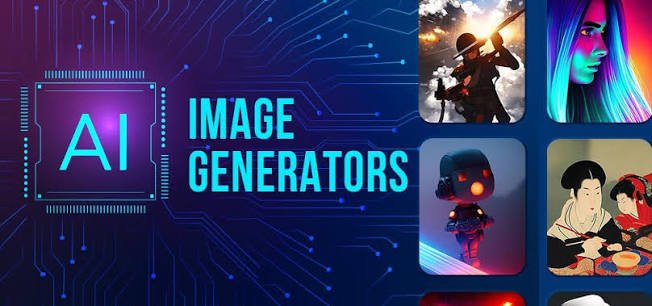
Technology is making this process much simpler. Higgsfield provides educators with a creative workspace that helps transform lesson ideas into engaging visual content more efficiently. Higgsfield’s AI Image Generator enables teachers to create customized educational images that support classroom instruction while reducing the time spent preparing visual materials.
As schools continue adopting digital learning methods, visual content is becoming an essential part of creating lessons that encourage curiosity, improve understanding, and support students with different learning styles.
Why Visual Learning Plays an Important Role in Student Success
Every student learns differently. While some absorb information through reading or listening, others understand concepts more effectively when they can see visual examples alongside explanations. Combining words with images allows teachers to present information in ways that are easier for students to process and remember.
Visual learning helps simplify subjects that may otherwise appear difficult. Scientific diagrams, historical reconstructions, maps, illustrations and labelled graphics provide context that supports classroom discussions and improves understanding. Instead of imagining unfamiliar concepts, students can connect ideas with meaningful visuals that reinforce the lesson.
Visual materials also encourage greater classroom participation. Students are often more willing to ask questions, contribute to discussions, and explore new topics when lessons include engaging images that capture their interest. This creates a more interactive learning environment where curiosity becomes part of the educational experience.
Higgsfield AI Creative Suite supports this growing focus on visual education by helping teachers create customised learning materials that match their classroom objectives while encouraging more engaging lessons.
As education continues to evolve, visual learning will remain an important strategy for helping students build confidence, strengthen understanding and retain information more effectively.
How Classrooms Are Becoming More Interactive Through Digital Creativity
Modern classrooms are moving beyond traditional teaching methods. Digital technology has introduced new opportunities for students to participate more actively in lessons rather than simply receiving information from textbooks or lectures.
Teachers now encourage students to create presentations, design projects, collaborate on assignments, and explore topics through creative activities. These experiences allow learners to apply their knowledge while developing communication, critical thinking, and problem-solving skills.
Visual content plays an important role in this approach. Instead of relying only on written assignments, students can present ideas through posters, infographics, illustrated reports, classroom displays, and multimedia projects that make learning more engaging.
Digital creativity also supports collaboration. Students can work together to design educational materials, explain concepts visually, or create classroom resources that benefit their peers. These shared activities help build teamwork while encouraging students to think creatively about how information can be presented.
As schools continue embracing technology, classrooms are becoming more interactive environments where creativity and learning work together. AI-generated visuals support this transformation by giving both teachers and students more opportunities to communicate ideas clearly while making lessons more engaging and enjoyable.
The Role of AI Image Generators in Modern Education
Teachers are continually looking for new ways to make lessons more engaging while helping students understand concepts more effectively. As classrooms become increasingly digital, visual learning resources are playing a greater role in supporting both teaching and student participation.
Creating educational visuals has traditionally required considerable preparation. Teachers often search through multiple websites for suitable images or spend time designing classroom materials that match specific lesson objectives. This process can become challenging, particularly when lessons cover unique topics that require customised illustrations.
AI Image Generator is helping simplify this aspect of lesson planning. Instead of relying entirely on existing image libraries, educators can create visuals that better match classroom discussions and learning objectives. This allows lessons to become more relevant while supporting different teaching approaches.
Higgsfield helps educators streamline the creation of classroom visuals by providing a creative workspace designed for producing customised educational content more efficiently. An AI Image Generator gives teachers greater flexibility to develop illustrations that support explanations, encourage classroom discussions, and make learning more engaging for students.
Another important advantage is adaptability. Educational content often needs to be adjusted for different age groups, learning abilities, and subjects. AI-generated visuals make it easier to create materials that suit various classroom environments while maintaining consistency throughout the learning experience.
Practical Ways AI Images Can Support Everyday Learning
Visual resources are valuable across almost every subject taught in school. Whether explaining scientific concepts, introducing historical events, teaching geography, or encouraging creative writing, images help students connect information with real-world examples that are easier to understand and remember.
Making Complex Topics Easier to Understand
Many academic subjects include ideas that can be difficult for students to visualise through text alone. Scientific processes, mathematical models, human anatomy, environmental systems and historical events often become much clearer when supported by relevant illustrations.
Instead of relying solely on written explanations, teachers can introduce visual materials that break larger concepts into smaller, more understandable sections. Students are then able to see how different ideas connect, making classroom discussions more meaningful.
Visual explanations also encourage curiosity. Students often ask more questions and participate more actively when they can clearly observe the topics being discussed rather than simply imagining them from written descriptions.
This approach supports deeper understanding while helping learners build confidence when exploring unfamiliar subjects.
Creating More Engaging Classroom Presentations
Presentations remain one of the most common teaching methods used in classrooms. However, presentations filled with large amounts of text may struggle to maintain students’ attention throughout an entire lesson.
Adding relevant visuals helps create a more balanced learning experience. Images can introduce new topics, explain key concepts, summarise important information, or provide examples that reinforce classroom discussions. Students often remain more focused when visual elements complement the teacher’s explanation.
Visual presentations also support different learning preferences. While some students learn best through listening, others benefit from seeing diagrams, illustrations, or educational graphics alongside spoken instruction.
As teachers continue adopting interactive teaching methods, combining clear explanations with engaging visuals helps create lessons that are easier to follow while encouraging greater classroom participation. AI-generated images provide additional opportunities to build these learning experiences without significantly increasing lesson preparation time.
Encouraging Student Creativity Through Visual Projects
Learning sticks better when students get to apply what they know in creative ways. Visual projects push learners past just memorizing facts, letting them present ideas, explain concepts, and work through problems in their own words. That builds deeper understanding along with real communication and creative thinking skills.
Visual content fits into all kinds of classroom work. Science reports can include illustrations of natural processes, history assignments can bring in historical scenes, geography projects can use detailed landscapes, and language lessons can lean on storytelling images. All of this gets students thinking about how to actually communicate information instead of just copying it from a textbook.
Visual assignments also push collaboration. Small groups combine ideas, talk through different perspectives, and build presentations together. That builds teamwork and gives students more confidence sharing ideas with classmates.
As classrooms lean further into project-based learning, visual creativity gives students another way to show what they understand while keeping lessons more engaging.
Supporting Teachers with Better Learning Resources
Prepping classroom materials takes real planning. Teachers are constantly building presentations, worksheets, displays, quizzes, and revision resources throughout the year.
Finding an image that actually matches a specific topic isn’t always easy. Existing resources don’t always have the exact visual needed to explain something clearly or fit the age group being taught.
Higgsfield simplifies that, giving educators a workspace to build custom classroom visuals faster. An AI Image Generator lets teachers create illustrations that support lesson plans and discussions while cutting down time spent hunting for the right image.
Having more relevant visuals also lets teachers adapt lessons for different learning abilities. Whether introducing something new or reinforcing what’s already been taught, custom visuals make instruction more flexible.
Helping Students Participate More Actively in Lessons
Active participation matters a lot in learning. Students remember more when they’re asking questions and contributing, not just listening.
Visual materials encourage that kind of participation by giving students something real to observe and discuss. An illustration can kick off a science investigation, a history discussion, a writing exercise, or a problem-solving activity. Instead of handing over answers right away, teachers can get students analyzing images and drawing their own conclusions.
Visual learning also helps students who aren’t as confident speaking up in class. Images give learners something to organize their thoughts around before sharing, which makes discussions more inclusive.
As students get more involved, they build stronger communication skills, more curiosity, and more confidence expressing what they actually understand.
Using AI Images Responsibly in Educational Settings
AI-generated images are genuinely useful in the classroom, but they need to be used thoughtfully. Teachers play a real role in helping students see that this tech supports learning, not a replacement for independent thinking.
Students should keep building research skills, critical thinking, and original ideas while using visuals to strengthen understanding. Classroom conversations can also cover responsible tech use, copyright, digital literacy and evaluating information carefully.
Paired with good teaching, AI-generated visuals become just another resource, not a replacement for the teacher. Encouraging responsible use alongside creativity helps students build both digital confidence and the skills they’ll need going forward.
Choosing an AI Image Generator for Classroom Learning
As visual learning becomes a bigger part of education, picking the right tool helps teachers deliver lessons that are engaging and easy to follow. The right solution should simplify creating materials while supporting different subjects and learning styles.
Worth weighing: ease of use, image quality, creative flexibility, customization, and how well it matches specific lesson goals. A platform that lets teachers quickly build relevant content cuts prep time and improves the overall lesson.
Higgsfield gives educators a flexible workspace for custom classroom visuals. An AI Image Generator helps teachers produce illustrations, diagrams, and presentation graphics that support lessons while freeing up more time for actual teaching.
The right tool should make instruction easier, not more complicated. By making content more visual and accessible, teachers can build lessons that spark curiosity and stronger understanding across subjects.
The Future of Visual Learning in Schools
Technology continues to influence how students learn, collaborate, and engage with educational content. As classrooms become more interactive, visual learning will play an increasingly important role in helping students understand complex ideas and develop stronger problem-solving skills.
Artificial intelligence is expected to support this transformation by giving teachers more opportunities to create personalised learning materials that match the needs of individual classrooms. Visual resources can make lessons more inclusive, encourage active participation and help explain topics in ways that are easier for students to understand.
Students are also likely to benefit from greater opportunities to create their own visual projects. Developing presentations, classroom displays and creative assignments encourages independent thinking while strengthening communication and digital literacy skills that are valuable beyond school.
Rather than replacing traditional teaching methods, AI-generated visuals complement existing educational practices by providing additional ways to explain concepts, encourage discussion, and inspire creative learning.
Final Thoughts
Visual learning has become an important part of modern education because it helps students understand concepts more clearly, remain engaged during lessons, and participate more actively in classroom activities. By combining images with traditional teaching methods, educators can create learning experiences that support a wider range of learning styles while making lessons more memorable.
AI Image Generator is making this process more accessible by helping teachers create customised educational visuals without spending excessive time searching for suitable resources or designing materials from scratch. From classroom presentations and project-based learning to educational displays and revision materials, visual content continues to strengthen the way students learn.
Used thoughtfully, Higgsfield supports educators in developing engaging classroom resources while keeping teaching objectives at the centre of the learning experience. As schools continue embracing digital education, an AI Image Generator will become an increasingly valuable resource for helping teachers create more interactive lessons and supporting students as they explore ideas through visual learning.