
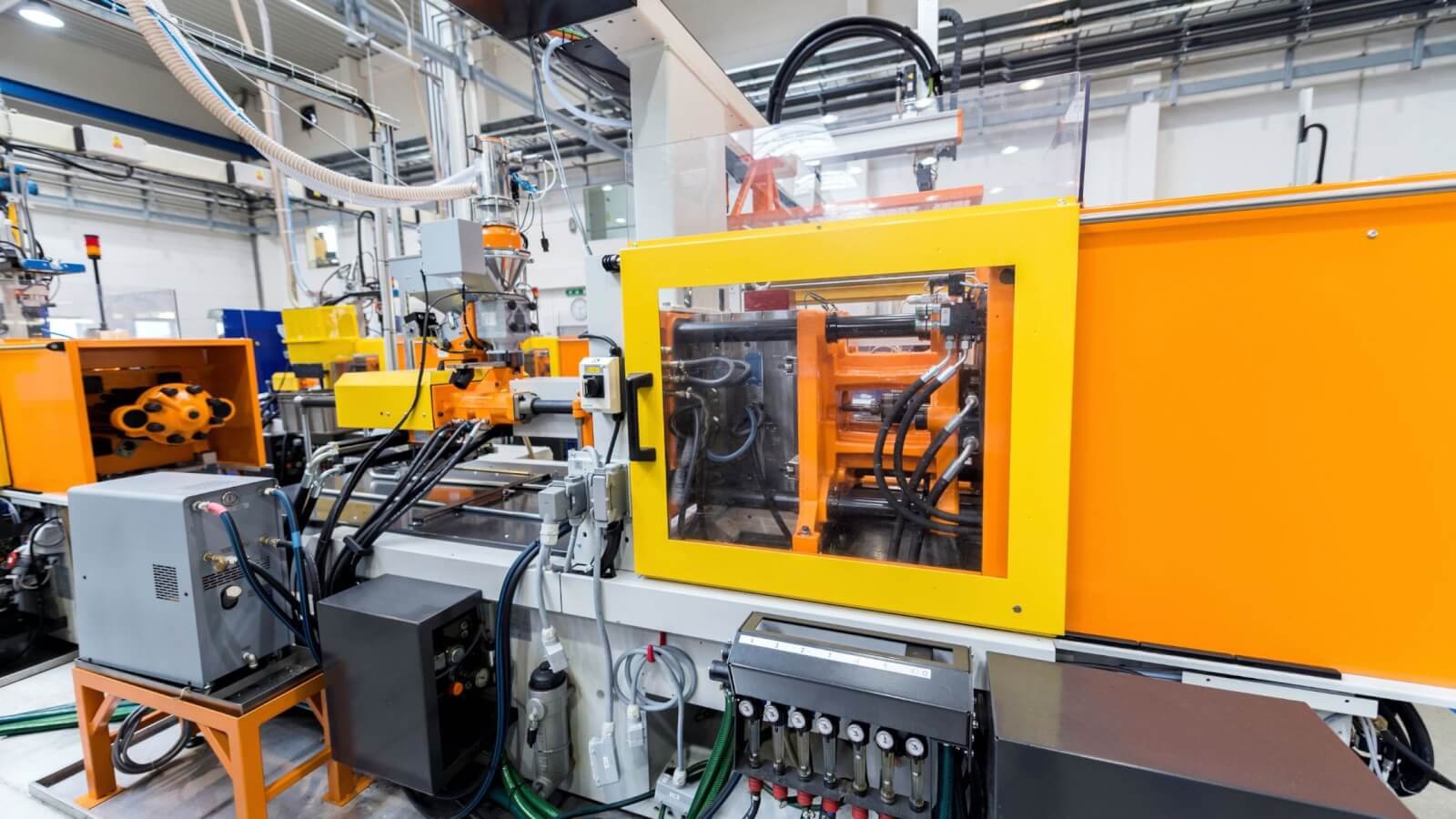
Vacuum Casting Service and Insert Molding Service for Modern Manufacturing
Modern manufacturing requires companies to develop products that are accurate, durable, and cost-effective. Before a product reaches full-scale production, engineers need to test designs, evaluate materials, and confirm that components work correctly together. Advanced manufacturing processes can make these stages faster and more efficient. Two useful solutions are vacuum casting service and insert molding service, which support different requirements in prototyping and production.
Understanding Vacuum Casting Service
A vacuum casting service is commonly used to produce detailed prototypes and small batches of components. It is an effective choice for manufacturers that need physical parts without immediately investing in expensive permanent tooling.
The process begins with a master model based on a digital CAD design. The master can be created using CNC machining or 3D printing, depending on the required accuracy and surface finish. A silicone mold is then formed around the master model, capturing its geometry and surface details.
After the silicone has cured, the original master is removed. A suitable casting material, such as polyurethane resin, is mixed and introduced into the mold under vacuum conditions. Vacuum pressure helps remove trapped air, reducing the possibility of bubbles and voids. Once the material has cured, the finished component is removed and can be trimmed, sanded, polished, painted, or otherwise finished.
Benefits of Vacuum Casting
Vacuum casting is particularly useful for prototypes, engineering samples, presentation models, and low-volume production. Silicone molds can reproduce complex geometries, fine details, textures, and smooth surfaces.
Physical prototypes allow manufacturers to evaluate dimensions, fit, appearance, assembly, and functionality before moving into mass production. Automotive, electronics, medical, consumer product, and industrial manufacturers can all use vacuum-cast components during product development.
Another advantage is design flexibility. If testing reveals an issue, engineers can modify the design before investing in permanent production tooling. This can reduce development risks and prevent costly tooling changes later.
What Is Insert Molding Service?
An insert molding service is a manufacturing process in which a preformed component, known as an insert, is placed inside a mold before plastic or another material is injected around it. The insert becomes permanently integrated into the finished part.
Inserts can be made from materials such as metal, plastic, or other engineered components. Metal inserts are often used when a product requires additional strength, threaded connections, electrical contacts, or mechanical fastening points.
During production, the insert is positioned securely inside the mold. Molten plastic is then injected around it and allowed to cool. Once the material solidifies, the insert and molded material form a single integrated component.
Advantages of Insert Molding
One of the main benefits of insert molding is component integration. Instead of manufacturing separate parts and assembling them afterward, manufacturers can combine the insert and molded material during one molding operation.
This can reduce assembly time, labor requirements, and the number of individual components. It can also improve product consistency because the insert is positioned within the molded structure during manufacturing.
Insert molding can enhance mechanical strength as well. Metal inserts can provide durable mounting points, threaded connections, or reinforcement in areas that experience repeated loads.
The process is widely used in automotive components, electronic devices, medical equipment, industrial products, connectors, switches, and consumer goods.
Choosing the Right Manufacturing Approach
Vacuum casting and insert molding are designed for different stages and requirements. Vacuum casting is often ideal for creating prototypes and limited quantities, while insert molding is better suited to production components that require integrated inserts.
In some development projects, vacuum casting can help validate the overall design before an insert molding process is introduced. Prototypes can be used to test dimensions, assembly requirements, insert positioning, and component functionality.
Conclusion
A professional vacuum casting service provides an efficient way to create detailed prototypes and low-volume components, while a reliable insert molding service enables manufacturers to integrate metal or plastic inserts directly into finished parts. Both technologies can improve product development and manufacturing efficiency. By selecting the appropriate process for each stage, businesses can reduce costs, minimize assembly requirements, improve product reliability, and bring well-tested products to market more efficiently.