
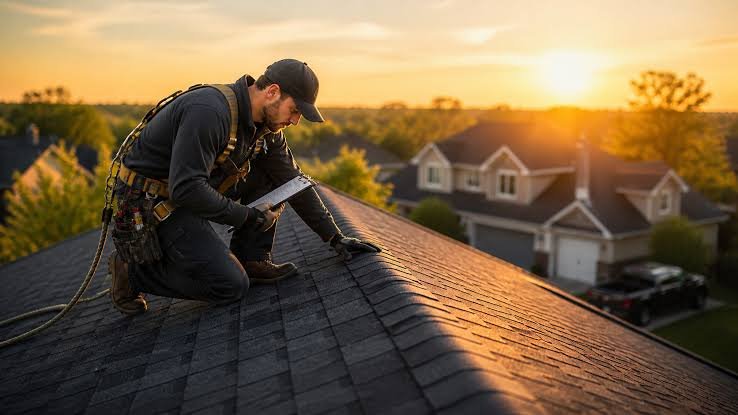
Professional Roofing Contractors for Reliable Home Protection
A home’s roof is its first line of defense against rain, wind, sunlight, storms, and changing weather conditions. When the roofing system is properly installed and maintained, it can help protect the interior of the property while supporting comfort and long-term value. Choosing experienced roofing contractors is therefore an important decision for any homeowner planning repairs, maintenance, or a complete roof replacement.
Professional roofing contractors can evaluate the condition of an existing roof, identify potential problems, recommend appropriate materials, and complete installation or repair work according to the project’s requirements. Whether a home has an aging roof, a sudden leak, or storm-related damage, professional assistance can help homeowners understand their options.
How to Find Roofing Contractors
Roofing Company Fort Worth provides dependable roofing solutions for homeowners throughout Fort Worth. As a family-owned and BBB-accredited roofing company, Texas Pro Build specializes in professional roof repairs, replacements, inspections, and maintenance. Whether your roof has storm damage, leaks, aging materials, or other concerns, experienced roofers can assess the condition and recommend the right solution.
With free inspections and a commitment to quality workmanship, Fort Worth homeowners can receive reliable service and straightforward guidance. Contact Texas Pro Build today to schedule your inspection and request a quote for your roofing project. Visit: https://texasprobuild.net/ for more details
Why Your Roof Matters
The roof does much more than keep rain out. It is part of a larger building system that can include decking, underlayment, flashing, ventilation, insulation, gutters, and exterior roofing materials.
Problems with one component can affect other parts of the property. For example, a small roof leak may eventually contribute to damaged insulation, ceilings, walls, or structural materials if it remains unresolved.
Regular attention to the roof can help identify potential issues before they become more extensive.
Common Signs of Roofing Problems
Homeowners should pay attention to visible and interior warning signs. Potential indicators of roofing problems include:
- Missing or damaged shingles
- Cracked roofing materials
- Water stains on ceilings
- Damp areas around roof openings
- Damaged flashing
- Sagging sections
- Excessive debris
- Granules collecting in gutters
- Repeated leaks
Not every visible problem means the entire roof needs replacement. A professional inspection can help determine the extent of the issue.
Professional Roof Inspections
- A roof inspection can provide valuable information about the condition of the roofing system.
- A contractor may examine roofing materials, flashing, valleys, vents, roof edges, drainage components, and other accessible areas.
- Inspections can be particularly useful when purchasing a property, preparing to sell a home, after severe weather, or when the roof is approaching the end of its expected service life.
- Regular inspections may also help homeowners plan maintenance and repairs before urgent problems develop.
Roof Repair Services
- Some roofing problems can be resolved through targeted repairs.
- Common repair services may include replacing damaged shingles, repairing flashing, sealing appropriate areas, correcting certain drainage issues, and addressing localized leaks.
- The appropriate repair depends on the cause and severity of the problem.
- A contractor should explain what has been damaged and why the recommended repair is appropriate.
When Replacement is Necessary
- A roof may eventually reach a point where replacement makes more sense than continued repairs.
- Widespread deterioration, repeated leaks, extensive storm damage, or an aging roofing system can all be reasons to consider replacement.
- A complete roof replacement is a significant investment, so homeowners should understand the proposed scope of work before making a decision.
- A professional assessment can help determine whether replacement is necessary or whether repairs may still be practical.
Choosing the Right Roofing Materials
Different roofing materials have different characteristics.
Asphalt Shingles
Asphalt shingles are a popular residential roofing option because they are available in numerous styles and price ranges.
Metal Roofing
Metal roofing can provide a durable option and is available in different profiles and finishes.
Tile Roofing
Tile can offer a distinctive appearance and long-term performance when correctly selected and installed.
Low-Slope Roofing
Some sections of homes and certain property designs require specialized materials suitable for low-slope applications.
Homeowners should consider the property’s structure, climate, appearance, budget, and applicable requirements when selecting materials.
Storm Damage Protection
Severe weather can cause sudden roofing problems. High winds, hail, heavy rainfall, and falling branches may damage roofing materials or other components.
- After a major storm, homeowners should look for visible signs of damage from a safe location.
- Climbing onto a roof without appropriate training and equipment can be dangerous.
If damage is suspected, contacting qualified roofing contractors for an inspection can provide a safer way to determine what needs attention.
Roof Ventilation
Ventilation is an important part of many roofing systems. Appropriate ventilation can help manage heat and moisture within the roof assembly. Poor ventilation may contribute to moisture-related issues or premature deterioration under certain conditions.
When repairing or replacing a roof, homeowners should ask whether ventilation is appropriate for the existing structure and roofing system.
Flashing and Roof Openings
Flashing protects areas where roofing materials meet other structures or openings. These areas may include:
- Chimneys
- Skylights
- Vents
- Walls
- Roof valleys
- Plumbing penetrations
Improperly installed or damaged flashing can create pathways for water. During an inspection, contractors should pay particular attention to these vulnerable areas.
Gutters and Drainage
A roof depends on effective drainage to move water away from the structure.
Gutters and downspouts help control rainwater runoff. If they become blocked, damaged, or improperly positioned, water may accumulate around the roof or foundation.
Homeowners should keep gutters clear and have drainage components checked when necessary.
Roofing contractors may also identify drainage problems during roof inspections.
Selecting Reliable Roofing Contractors
Choosing a contractor is one of the most important decisions in a roofing project.
Homeowners should consider:
- Relevant experience
- Applicable licensing
- Insurance coverage
- References
- Written estimates
- Material knowledge
- Warranty information
- Communication
- Project scheduling
Licensing and insurance requirements vary by location, so homeowners should verify the requirements that apply to their property.
Request a Written Estimate
A detailed written estimate can help homeowners understand the expected cost and scope of work.
The proposal may include labor, materials, removal of existing roofing, disposal, preparation, repairs, ventilation work, and other project components.
Ask questions about anything unclear before signing an agreement.
Comparing several detailed estimates can also help homeowners understand differences between contractors.
Understanding Roofing Warranties
Warranties can vary depending on the roofing materials and contractor.
A manufacturer may provide a product warranty, while the contractor may offer a separate workmanship warranty.
Homeowners should review the terms carefully and understand what is covered, how long coverage lasts, and whether specific maintenance requirements apply.
Keep all contracts, receipts, warranty documents, and project records in a safe location.
Preparing for Roof Work
Roofing projects can involve noise, workers, equipment, and falling debris.
Before work begins, homeowners may need to move vehicles, outdoor furniture, fragile decorations, and other belongings away from the work area.
Pets and children should be kept away from the construction zone.
Ask the contractor about access, expected working hours, cleanup, and how landscaping will be protected.
Quality Installation Matters
Even premium roofing materials can perform poorly if they are installed incorrectly.
Professional contractors should follow applicable building requirements and manufacturer installation instructions.
Attention to details such as flashing, underlayment, ventilation, valleys, edges, and roof penetrations can have a significant impact on the finished system.
Good workmanship is therefore just as important as selecting suitable materials.
Maintaining Your Roof
Roof protection does not end after installation.
Homeowners should monitor the roof periodically and address visible problems promptly.
Keep gutters and drainage pathways clear, trim branches that may threaten the roof, and arrange professional inspections when appropriate.
After significant weather events, consider having the roof evaluated if there are concerns about potential damage.
Long-Term Home Protection
A properly maintained roof can contribute to the long-term protection of the property.
Timely repairs may prevent minor problems from developing into more extensive damage. Regular inspections can also help homeowners plan for eventual replacement rather than being surprised by an emergency roofing problem.
The goal is not simply to fix problems when they appear but to maintain the entire roofing system over time.
Conclusion
Experienced roofing contractors can play an important role in protecting a home through inspections, maintenance, repairs, storm assessments, and complete roof replacements. A dependable roofing system requires appropriate materials, careful installation, effective drainage, proper flashing, suitable ventilation, and ongoing maintenance.
Homeowners should take time to research contractors, verify relevant credentials, request detailed estimates, understand warranty terms, and ask questions before work begins.
Whether your roof needs a minor repair or a complete replacement, professional evaluation can help you understand the condition of the system and choose an appropriate solution. With quality workmanship and regular maintenance, a properly installed roof can provide reliable protection and valuable peace of mind for years to come.