The Role оf Gaming in Modern Learning and Education
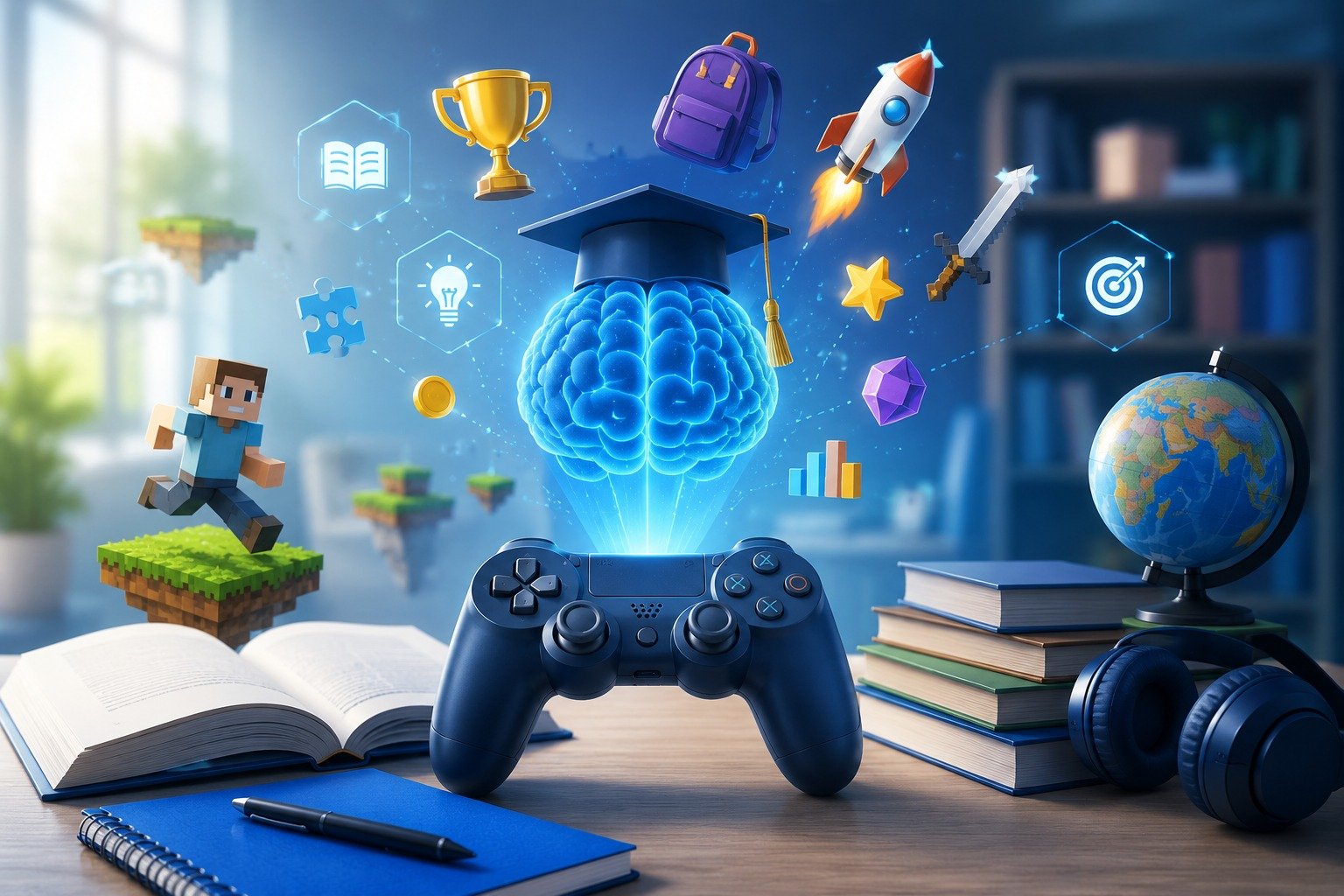
Many students struggle to stay focused in traditional classrooms. Studies show that gaming can boost learning and make it more exciting. This blog will explain how games help students learn skills like teamwork and problem-solving.
Keep reading to see how gaming is changing education!
The Evolution of Gaming in Education
Gaming started as pure fun but soon found its way into schools. Technology has made games smarter and better for learning.
Early Beginnings: From Entertainment to Education
Early video games were created for fun. Titles like Pong and Pac-Man focused on entertainment. Soon, developers saw the learning potential. Educational computer games gained popularity in the 1980s with titles such as The Oregon Trail. These games taught history, math, and problem-solving through stories and challenges.
Schools began using gaming computers to help children learn vital skills. Interactive programs made lessons exciting and easy to understand. Games shifted from simple tasks to complex educational tools over time.
This change shaped how students learned by making it more engaging and memorable without losing focus on educational goals.
The Digital Revolution and Educational Games
Technology shifted gaming’s role in education. Digital games became tools for learning, blending fun with knowledge. Developers introduced subjects like math, science, and history into game formats to spark interest.
Games now cater to different ages and skill levels. Advances in graphics and sound made these games more immersive.
Online educational platforms also embraced gaming elements. Interactive quizzes, virtual simulations, and rewards encouraged participation from students worldwide. Platforms like Kahoot! or Minecraft: Education Edition transformed traditional classroom methods into dynamic experiences.
Educational games turn lessons into adventures, said Jane McGonigal, a game designer passionate about learning through play.
Key Benefits of Gaming in Learning
Gaming makes learning fun and exciting for students. It helps build skills that are useful in everyday life.
Enhanced Student Engagement and Motivation
Students feel more excited to learn through games. Bright visuals capture their attention quickly. Interactive challenges keep them focused and curious. Many games reward effort with points, badges, or levels. These rewards drive students to complete tasks happily.
Learning becomes fun instead of boring routines. Students explore topics like math or history without realizing they are learning. Positive competition motivates them to improve skills daily. This benefit leads directly into problem-solving activities in education programs.
Improved Problem-Solving and Critical Thinking Skills
Games in education help build problem-solving skills. Players face challenges and must find solutions quickly. Many games require logical thinking, pattern recognition, and planning.
For example, puzzle games like Tetris improve decision-making under pressure. Strategy games also teach players to think ahead and adapt to changes.
Critical thinking grows as students analyze situations in games. They learn to weigh options before acting. Complex game scenarios make learners evaluate different choices and predict outcomes.
Minecraft, for instance, allows users to create structures while managing resources wisely. Gaming teaches us to think on our feet and adapt quickly.
Collaborative Learning and Teamwork
Group tasks in gaming teach students to work together. Players must communicate, share ideas, and solve problems as a team. Multiplayer educational games often assign roles that encourage teamwork. This builds trust and teaches cooperation among peers.
Games also foster leadership skills within groups. Students learn to plan strategies and manage resources effectively. Success depends on working closely with others toward a shared goal.
These activities improve social interaction while making learning fun and engaging for everyone involved.
Applications of Game-Based Learning
Games can teach skills through fun and interactive methods. They prepare students for real-life challenges using hands-on experiences.
Simulations for Real-World Scenarios
Simulations help students safely practice real-world scenarios. These tools mimic real-life situations for better learning.
- Flight simulators let pilot trainees practice flying without risking safety. They can experience challenges like bad weather or system failures.
- Medical students use virtual surgeries to learn procedures. This helps them gain skills without working on real patients.
- Business games teach decision-making by simulating markets and companies. Players learn strategies and deal with risks in a controlled space.
- Emergency response training uses disaster simulations. Participants prepare for earthquakes, fires, or other crises while avoiding real harm.
- Language learners use role-playing games to improve speaking skills. These games simulate realistic conversations and boost confidence.
- Engineering students design and test projects using simulation software. This prepares them to solve problems they may face at work.
- Military training uses battle simulations to teach tactics and teamwork. Soldiers practice critical moves before entering the field.
Gamification of Classroom Activities
Simulations make learning immersive, but gamification adds excitement to daily lessons. It transforms regular classroom tasks into engaging challenges.
- Teachers can create point-based systems for homework or quizzes. Students earn points for completing tasks, motivating them to participate more actively.
- Using badges or rewards recognizes achievements. For example, earning a “Math Wizard” badge encourages effort in solving problems.
- Leaderboards spark friendly competition among peers. They encourage students to improve without feeling pressured.
- Digital tools like Kahoot and Quizizz make reviewing fun. These platforms turn quizzes into interactive games, boosting interest in the subject.
- Setting clear goals makes learning feel like a game level. As students progress, they gain confidence while reaching these small milestones.
- Story-driven assignments captivate younger learners’ imaginations. Turning lessons into adventures enhances creativity and knowledge retention.
- Role-playing games help with real-world applications of lessons learned in class. For example, acting as shopkeepers teaches math and communication skills naturally.
- Time-bound challenges keep activities exciting and focused. Racing against the clock pushes students to think quickly and work efficiently.
Gamification energizes classrooms by making education dynamic and rewarding for kids of all ages!
Challenges in Integrating Gaming into Education
It can be hard to mix fun with learning in games. Making them fair and easy for everyone is also a big task.
Balancing Educational Content with Entertainment
Games must teach skills while keeping learners interested. Too much fun can distract from learning goals. Overloading with facts can make games boring.
Educational games should mix lessons and challenges evenly. Developers need to test if players stay engaged and learn effectively. Proper design creates balance, helping students gain knowledge and enjoy the process.
This balance encourages accessibility in gaming for everyone.
Addressing Accessibility and Equity Issues
Many students lack access to gaming technology or stable internet. This creates a gap in opportunities for learning through games. Schools should provide devices or resources to help bridge this divide.
Some games require expensive systems that not all families can afford. Free or low-cost educational games can make learning with gaming more equitable. Developers and educators must work together to keep costs down and reach more learners.
Conclusion
Gaming makes learning fun and interactive. It boosts engagement and builds important skills like teamwork and problem-solving. Using games in education prepares students for real-life challenges while keeping them motivated.
With thoughtful use, gaming can transform modern learning in exciting ways. The future of education may just be more playful!